
Silent Suffocation: Understanding Low Oxygen Levels During Sleep
Picture this: you wake up feeling exhausted despite spending eight hours in bed, your partner complains about your loud snoring, and you find yourself struggling to concentrate during the day. What you might not realize is that your body could be experiencing silent suffocation while you sleep. Low oxygen levels during sleep, medically known as nocturnal hypoxemia, affect millions of people worldwide, yet many remain unaware of this potentially serious condition.
Sleep should be a time of restoration and healing for our bodies. However, when oxygen levels drop during the night, this natural recovery process becomes compromised. Understanding the causes, symptoms, and treatment options for low oxygen levels during sleep can be the key to reclaiming your energy, improving your health, and potentially saving your life.
What Are Normal Oxygen Levels During Sleep?
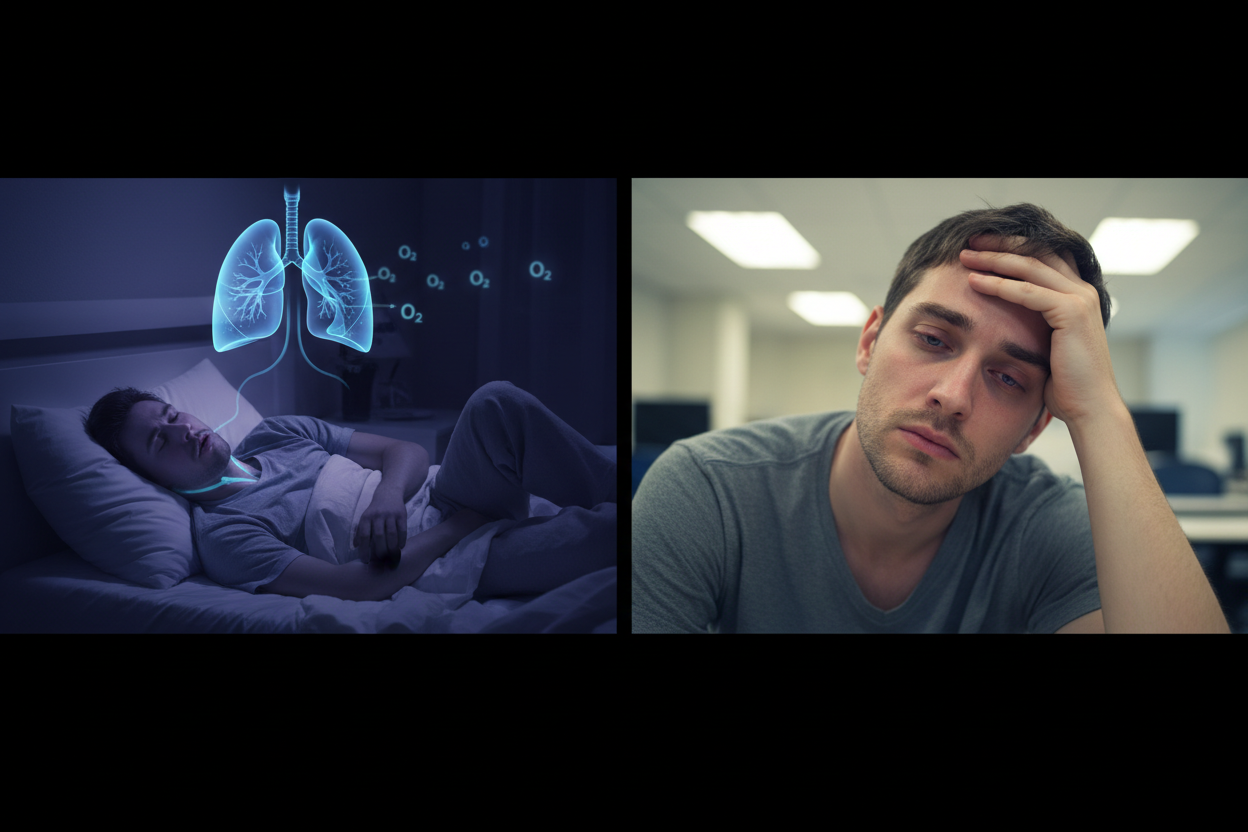
Before diving into the complexities of sleep-related oxygen disorders, it’s essential to understand what constitutes normal oxygen saturation. During waking hours, healthy individuals typically maintain oxygen saturation levels between 95% and 100%. These levels are measured using pulse oximetry, a non-invasive method that uses light to determine the percentage of oxygen-carrying hemoglobin in your blood.
During sleep, it’s normal for oxygen levels to dip slightly, usually remaining above 90%. However, when levels consistently fall below 90% or drop dramatically throughout the night, it signals a problem that requires attention. Some people experience brief dips that last only seconds, while others may have prolonged periods of reduced oxygen that can last minutes at a time.
The medical community considers oxygen saturation below 88% during sleep as clinically significant hypoxemia. These drops don’t just affect your sleep quality – they can have far-reaching consequences for your cardiovascular system, brain function, and overall health.
Common Causes of Low Oxygen Levels During Sleep
Several conditions can lead to decreased oxygen levels while you sleep, with sleep apnea being the most prevalent culprit. Obstructive sleep apnea occurs when the muscles in your throat relax excessively, causing the airway to collapse or become blocked. This blockage can happen dozens or even hundreds of times per night, each episode potentially lasting 10 seconds or longer.
Central sleep apnea presents a different challenge, where the brain fails to send proper signals to the muscles that control breathing. Unlike obstructive sleep apnea, the airway remains open, but the drive to breathe temporarily stops. This condition is less common but equally serious in its impact on oxygen levels.
Chronic obstructive pulmonary disease (COPD) can also contribute to nocturnal hypoxemia. People with COPD often experience worsening symptoms at night due to changes in breathing patterns during sleep and the natural circadian rhythm effects on lung function. The combination of already compromised lung function and sleep-related breathing changes creates a perfect storm for oxygen desaturation.
Other contributing factors include obesity, which can restrict breathing mechanics, certain medications that suppress respiratory function, and sleeping at high altitudes where oxygen concentration in the air is naturally lower. Even seemingly minor issues like chronic congestion or enlarged tonsils can contribute to nighttime oxygen problems.
Recognizing the Warning Signs and Symptoms
The tricky aspect of low oxygen levels during sleep is that the most obvious symptoms occur while you’re unconscious. However, your body provides plenty of daytime clues that something isn’t right during your nighttime hours. Excessive daytime sleepiness is often the first red flag – not just feeling tired after a late night, but experiencing overwhelming fatigue despite adequate sleep time.
Morning headaches are another telltale sign, particularly those that feel different from typical tension headaches. These headaches often result from carbon dioxide buildup in the blood due to poor ventilation during sleep. You might also notice difficulty concentrating, memory problems, or mood changes like increased irritability or depression.
Your sleeping partner might observe loud snoring, gasping, or choking sounds during the night. They may notice that your breathing seems to stop and start repeatedly, or that you appear restless, tossing and turning frequently. Some people experience night sweats or frequent urination during the night as their body responds to the stress of oxygen deprivation.
Physical symptoms can extend beyond sleep-related issues. You might notice swelling in your legs or feet, which can indicate that your heart is working harder to compensate for low oxygen levels. Some people develop a condition called pulmonary hypertension, where elevated pressure in the lung’s blood vessels results from chronic oxygen deprivation.
The Hidden Health Consequences
The effects of chronic low oxygen levels during sleep extend far beyond feeling tired the next day. Your cardiovascular system bears a significant burden when repeatedly stressed by oxygen deprivation. Each time oxygen levels drop, your heart rate increases and blood pressure rises as your body attempts to deliver adequate oxygen to vital organs.
Over time, this nightly stress can lead to serious cardiovascular complications. People with untreated sleep apnea have a significantly higher risk of developing high blood pressure, heart disease, stroke, and irregular heart rhythms. The constant strain on the cardiovascular system can accelerate the development of atherosclerosis, where arteries become narrowed and hardened.
Your brain is particularly vulnerable to oxygen deprivation. Chronic hypoxemia can impair cognitive function, affecting memory formation, decision-making abilities, and reaction times. Some studies suggest that long-term oxygen deprivation during sleep may contribute to an increased risk of dementia and other neurodegenerative conditions.
The metabolic consequences are equally concerning. Poor sleep quality and oxygen deprivation can disrupt hormones that regulate appetite and blood sugar, potentially contributing to weight gain and increased diabetes risk. This creates a vicious cycle, as excess weight can worsen sleep-disordered breathing, leading to further oxygen problems.
Diagnosis and Testing Methods
If you suspect you’re experiencing low oxygen levels during sleep, the first step is consulting with a healthcare provider who can evaluate your symptoms and medical history. They may recommend a sleep study, also known as polysomnography, which remains the gold standard for diagnosing sleep-related breathing disorders.
During a traditional sleep study, you’ll spend a night in a specialized sleep laboratory where technicians monitor various body functions while you sleep. Sensors track your brain waves, eye movements, muscle activity, heart rhythm, breathing patterns, and oxygen levels throughout the night. This comprehensive monitoring provides detailed information about what happens during your sleep cycles.
Home sleep apnea testing has become increasingly popular as a more convenient alternative for many patients. These simplified tests focus primarily on breathing patterns, oxygen levels, and heart rate. While not as comprehensive as laboratory studies, home tests can effectively diagnose moderate to severe obstructive sleep apnea in many cases.
Your doctor might also recommend additional tests such as chest X-rays, pulmonary function tests, or echocardiograms to evaluate your heart and lung function. Blood tests can help identify underlying conditions that might contribute to breathing problems during sleep.
Treatment Options and Management Strategies
The good news is that effective treatments exist for most causes of low oxygen levels during sleep. Continuous positive airway pressure (CPAP) therapy remains the most common and effective treatment for obstructive sleep apnea. CPAP machines deliver a steady stream of pressurized air through a mask, keeping your airway open throughout the night.
While CPAP therapy is highly effective, some people find it challenging to adapt to wearing a mask during sleep. Modern CPAP machines offer various mask styles and comfort features, and working with a sleep specialist can help optimize your therapy for better compliance and effectiveness.
For those who cannot tolerate CPAP or have mild sleep apnea, oral appliances provide an alternative treatment option. These custom-fitted devices reposition the jaw or tongue to help maintain an open airway during sleep. While generally less effective than CPAP for severe cases, oral appliances can be an excellent solution for many people.
Surgical options exist for specific anatomical problems that contribute to sleep apnea. These might include removing enlarged tonsils or adenoids, correcting a deviated septum, or more complex procedures to modify throat structures. However, surgery is typically considered only when other treatments have failed or aren’t appropriate.
Lifestyle modifications play a crucial role in managing sleep-related oxygen problems. Weight loss can significantly improve sleep apnea symptoms, as excess weight often contributes to airway obstruction. Even a modest weight reduction of 10-15% can make a meaningful difference in symptom severity.
Lifestyle Changes That Make a Difference
Beyond medical treatments, several lifestyle adjustments can improve oxygen levels during sleep and overall sleep quality. Sleep position matters more than many people realize – sleeping on your back can worsen airway obstruction due to gravity’s effect on throat tissues. Training yourself to sleep on your side, sometimes with the help of positional devices or even tennis balls sewn into pajama backs, can reduce apnea episodes.
Avoiding alcohol and sedating medications before bedtime is crucial, as these substances relax throat muscles and can worsen breathing problems during sleep. If you take medications that affect breathing, discuss timing and alternatives with your healthcare provider.
Establishing good sleep hygiene practices supports better overall sleep quality. This includes maintaining consistent sleep and wake times, creating a comfortable sleep environment, and avoiding large meals, caffeine, and electronic screens before bedtime. Regular exercise can improve sleep quality and help with weight management, though intense workouts should be avoided close to bedtime.
For people with allergies or chronic congestion, managing these conditions can significantly improve nighttime breathing. This might involve using air purifiers, treating underlying allergies, or using nasal strips or saline rinses to improve nasal breathing.
When to Seek Professional Help
Recognizing when to seek professional help for potential sleep-related oxygen problems can be lifesaving. If you experience loud snoring combined with daytime fatigue, witnessed breathing interruptions during sleep, or morning headaches, it’s time to consult a healthcare provider. Don’t dismiss these symptoms as simply getting older or being stressed – they could indicate a serious underlying condition.
Seek immediate medical attention if you experience severe shortness of breath during sleep, chest pain, or if a sleeping partner observes prolonged periods where you stop breathing. These could be signs of a medical emergency requiring prompt intervention.
People with existing heart or lung conditions should be particularly vigilant about sleep-related breathing problems, as they’re at higher risk for complications from oxygen deprivation. Regular monitoring and communication with healthcare providers is essential for managing these complex conditions.
Silent suffocation during sleep is a serious health concern that affects millions of people, often without their knowledge. Understanding the causes, recognizing the symptoms, and seeking appropriate treatment can dramatically improve your quality of life and long-term health outcomes. If you suspect you might be experiencing low oxygen levels during sleep, don’t wait – consult with a healthcare provider to explore your options. Your body depends on adequate oxygen, especially during the crucial recovery time of sleep, and addressing these issues can help ensure you wake up refreshed and ready to face each new day.
Take Control of Your Nighttime Breathing
Don’t let sleep apnea silently accelerate your lung disease. Discover the natural breathing protocol that thousands of respiratory patients are using to restore healthy sleep patterns and protect their lung function.
