

Overlap Syndrome Treatment Revolution: Non-CPAP Success Stories
When Sarah first received her overlap syndrome diagnosis, she felt overwhelmed by the prospect of managing both COPD and sleep apnea simultaneously. Like many patients facing this dual condition, she assumed CPAP therapy would be her only path to better sleep and breathing. However, her journey took an unexpected turn that would change her perspective on treatment options forever.
Overlap syndrome affects millions of people worldwide, combining the challenges of chronic obstructive pulmonary disease with obstructive sleep apnea. While CPAP machines have long been considered the gold standard for treatment, a growing number of patients are discovering alternative approaches that deliver remarkable results without the discomfort and inconvenience often associated with traditional CPAP therapy.

Understanding Overlap Syndrome Beyond Traditional Treatment
Overlap syndrome occurs when patients experience both COPD and obstructive sleep apnea, creating a complex medical situation that requires careful management. The condition affects approximately 1-3% of the general population, but this number rises significantly among COPD patients, where prevalence can reach up to 65%.
The traditional approach has typically involved CPAP therapy combined with bronchodilators and other COPD medications. However, many patients struggle with CPAP compliance due to mask discomfort, claustrophobia, dry mouth, and disrupted sleep patterns. This has led healthcare providers and patients to explore innovative alternatives that address both conditions without relying solely on continuous positive airway pressure.
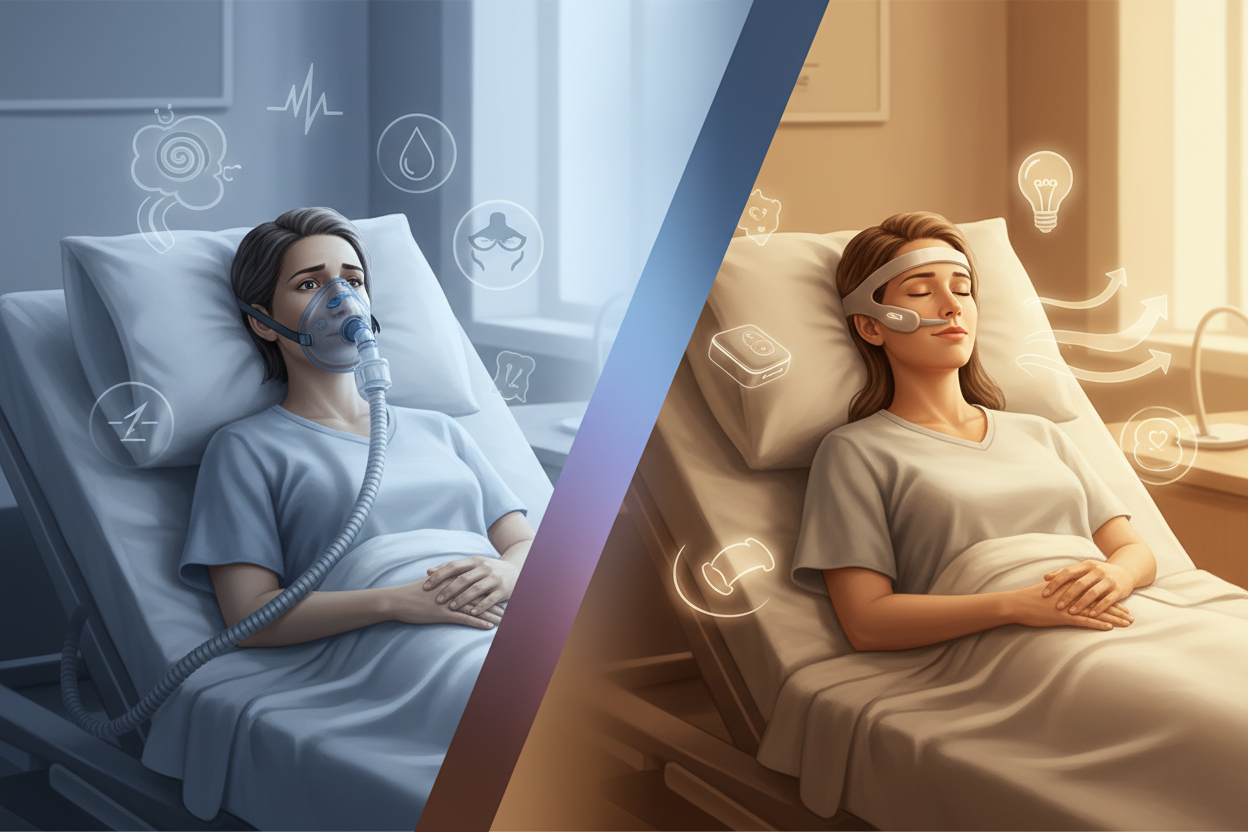
Recent advances in sleep medicine have revealed that successful overlap syndrome management doesn’t always require the one-size-fits-all CPAP approach. Instead, personalized treatment plans incorporating lifestyle modifications, alternative devices, and targeted therapies are showing promising results for many patients.
Revolutionary Alternative Treatment Approaches
The landscape of overlap syndrome treatment has evolved dramatically over the past decade. Patients and healthcare providers are increasingly embracing multi-modal approaches that address the root causes of both conditions while improving overall quality of life.
Oral appliance therapy has emerged as a game-changer for many overlap syndrome patients. These custom-fitted devices work by repositioning the jaw and tongue to maintain open airways during sleep. Unlike CPAP machines, oral appliances are silent, portable, and don’t require electricity or tubing. Many patients report immediate improvements in sleep quality and daytime energy levels.
Positional therapy represents another breakthrough approach, particularly for patients whose sleep apnea worsens when sleeping on their back. Specialized devices and techniques help maintain side-sleeping positions throughout the night, significantly reducing apnea episodes while allowing natural breathing patterns to emerge.
Weight management programs specifically designed for overlap syndrome patients have shown remarkable success rates. Since excess weight contributes to both COPD symptoms and sleep apnea severity, targeted weight loss can dramatically improve both conditions simultaneously. These programs combine nutritional counseling, supervised exercise regimens, and behavioral support tailored to respiratory limitations.
Inspiring Patient Success Stories
Michael, a 58-year-old construction worker, struggled with overlap syndrome for three years before discovering alternatives to CPAP. After multiple failed attempts with different CPAP masks and settings, he felt defeated and exhausted. His sleep specialist introduced him to oral appliance therapy combined with a structured weight management program.
Within six weeks, Michael lost 25 pounds and reported sleeping through the night for the first time in years. His morning headaches disappeared, and his COPD symptoms became more manageable. Most importantly, he regained the energy to enjoy activities with his grandchildren, something he thought he’d lost forever.
Jennifer’s story illustrates the power of positional therapy. The 45-year-old teacher had severe anxiety about wearing a CPAP mask, which actually worsened her sleep quality. Her healthcare team developed a comprehensive positional therapy program using a specialized sleep positioning device and bedroom modifications.
Combined with breathing exercises and pulmonary rehabilitation, Jennifer’s approach eliminated 80% of her sleep apnea episodes within three months. Her COPD exacerbations decreased significantly, and she returned to hiking, a passion she’d abandoned due to her condition.
Comprehensive Lifestyle Modifications That Work
The most successful non-CPAP treatment approaches often involve comprehensive lifestyle modifications that address multiple aspects of overlap syndrome simultaneously. These changes create synergistic effects that amplify treatment benefits beyond what any single intervention could achieve.
Sleep hygiene optimization plays a crucial role in treatment success. This involves establishing consistent sleep schedules, creating optimal bedroom environments, and developing pre-sleep routines that promote natural, restorative sleep. Many patients discover that simple changes like adjusting room temperature, eliminating electronic devices, and practicing relaxation techniques significantly improve their sleep quality.
Breathing exercises and pulmonary rehabilitation programs have proven particularly effective for overlap syndrome patients. These techniques strengthen respiratory muscles, improve lung function, and teach patients how to manage breathing difficulties more effectively. Regular practice of diaphragmatic breathing and pursed-lip breathing can reduce both COPD symptoms and sleep apnea severity.
Dietary modifications tailored to overlap syndrome patients focus on reducing inflammation, supporting respiratory health, and promoting healthy weight management. Anti-inflammatory foods, omega-3 fatty acids, and antioxidant-rich fruits and vegetables can improve both lung function and sleep quality while supporting overall health.
The Role of Technology in Modern Treatment
Innovative technologies are revolutionizing how patients monitor and manage their overlap syndrome without traditional CPAP therapy. Wearable devices now track sleep patterns, breathing irregularities, and oxygen levels, providing valuable data that helps healthcare providers optimize treatment plans in real-time.
Smart home technologies are making it easier for patients to maintain optimal sleeping environments. Automated humidifiers, air purifiers, and temperature control systems create ideal conditions for respiratory health while supporting quality sleep. These technologies work silently in the background, requiring minimal patient intervention while maximizing therapeutic benefits.
Mobile health applications specifically designed for overlap syndrome patients provide personalized guidance, medication reminders, and progress tracking capabilities. These tools help patients stay engaged with their treatment plans while providing healthcare providers with detailed insights into patient compliance and outcomes.
Working with Healthcare Providers for Optimal Results
Successful non-CPAP treatment of overlap syndrome requires close collaboration between patients and their healthcare teams. This typically involves pulmonologists, sleep specialists, respiratory therapists, and sometimes nutritionists or physical therapists working together to develop comprehensive treatment plans.
Regular monitoring and adjustment of treatment approaches ensure optimal outcomes over time. What works initially may need modification as patients’ conditions evolve or as they achieve specific health goals. This adaptive approach allows for continuous optimization of treatment strategies based on individual patient responses.
Patient education plays a vital role in treatment success. Understanding how different interventions work together helps patients make informed decisions about their care while maintaining motivation for lifestyle changes that require ongoing commitment.
Looking Forward: The Future of Overlap Syndrome Treatment
The revolution in overlap syndrome treatment continues to evolve as researchers develop new approaches and technologies. Gene therapy, personalized medicine based on individual genetic profiles, and advanced biomechanical interventions represent exciting frontiers in treatment development.
The growing emphasis on patient-centered care means treatment plans increasingly focus on individual preferences, lifestyle factors, and personal goals rather than applying standardized protocols. This shift has led to higher patient satisfaction rates and better long-term outcomes across diverse patient populations.
As success stories continue to accumulate, more healthcare providers are embracing alternative treatment approaches for overlap syndrome. This growing acceptance is expanding access to non-CPAP options and encouraging continued innovation in treatment development.
The transformation in overlap syndrome treatment represents more than just new medical techniques; it embodies a fundamental shift toward personalized, patient-centered care that prioritizes quality of life alongside clinical outcomes. For patients like Sarah, Michael, and Jennifer, these alternatives have provided not just symptom relief, but renewed hope and vitality. As research continues and technologies advance, the future holds even greater promise for individuals seeking effective, comfortable solutions to manage their overlap syndrome without traditional CPAP therapy. The key lies in working closely with knowledgeable healthcare providers to explore all available options and develop treatment plans that align with individual needs, preferences, and life circumstances.
Take Control of Your Nighttime Breathing
Don’t let sleep apnea silently accelerate your lung disease. Discover the natural breathing protocol that thousands of respiratory patients are using to restore healthy sleep patterns and protect their lung function.
