
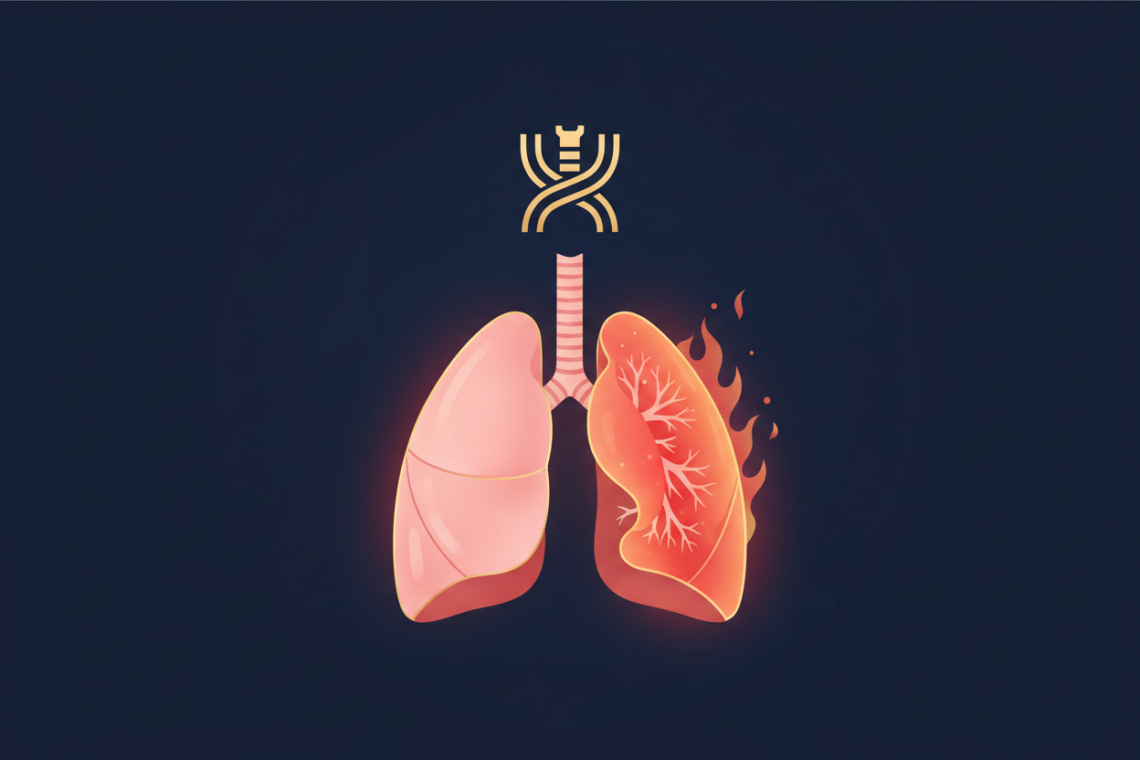
Inflammation Station: How Sleep Apnea Sets Your Lungs on Fire
Picture this: you’re lying in bed, thinking you’re getting a good night’s rest, but inside your body, a silent battle is raging. Your airways are collapsing, oxygen levels are plummeting, and your lungs are caught in the crossfire of a devastating inflammatory response. Welcome to the hidden world of sleep apnea – where what happens in your sleep doesn’t stay in your sleep, especially when it comes to your respiratory health.
If you’ve ever wondered why you wake up feeling like you’ve been hit by a truck despite spending eight hours in bed, or why your doctor keeps talking about inflammation markers in your blood work, you’re not alone. Sleep apnea affects millions of people worldwide, and its impact on lung inflammation is one of the most serious – yet overlooked – consequences of this sleep disorder.
Understanding Sleep Apnea: More Than Just Loud Snoring
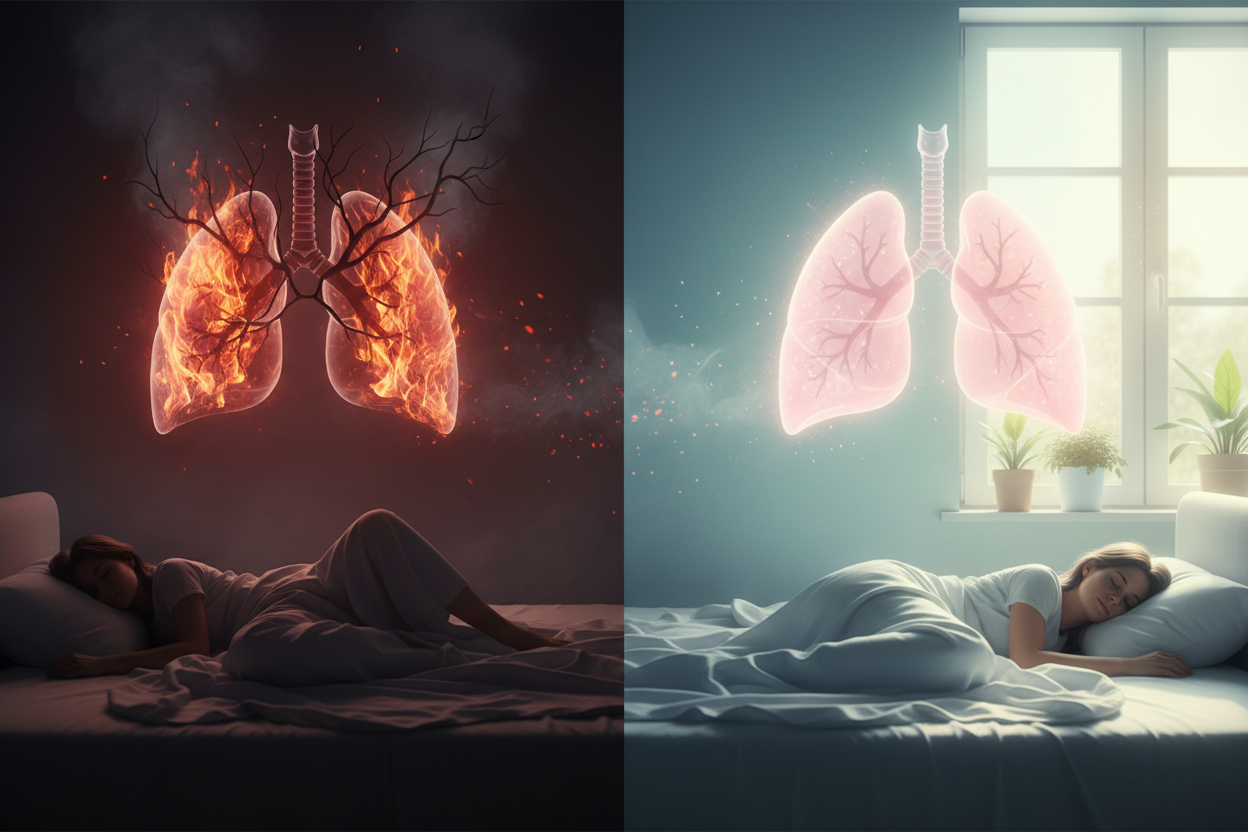
Sleep apnea isn’t just about keeping your partner awake with thunderous snoring (though that’s certainly part of it). This condition involves repeated episodes where your breathing stops and starts during sleep. Think of it as your body’s airway playing a cruel game of red light, green light – except the stakes are your health and well-being.
There are three main types of sleep apnea, but obstructive sleep apnea (OSA) is by far the most common. During OSA episodes, the muscles in your throat relax so much that they block your airway. Your brain, sensing the drop in oxygen, jolts you awake just enough to restart breathing. This cycle can repeat hundreds of times per night, creating a perfect storm for systemic inflammation.
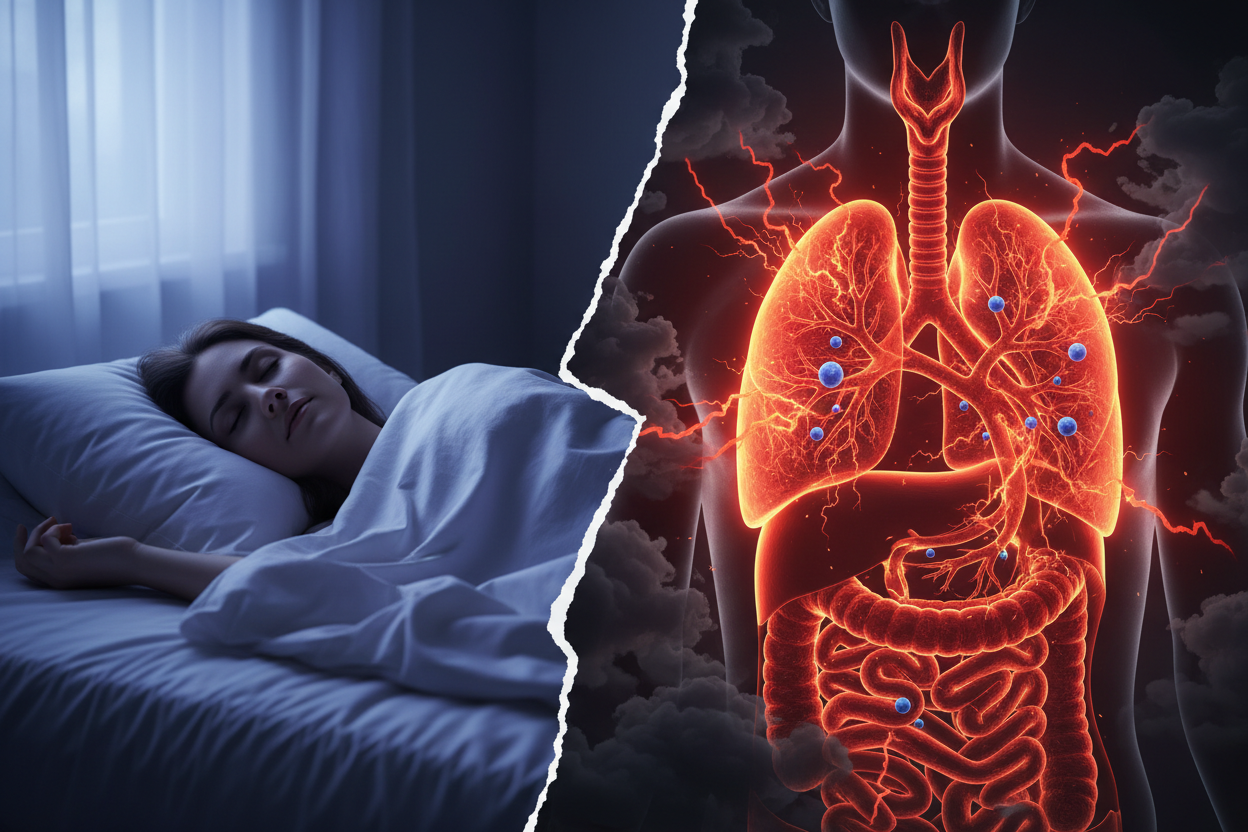
The scary part? Many people don’t even realize they have sleep apnea. They might attribute their daytime fatigue to stress, age, or just being “out of shape.” Meanwhile, their lungs are bearing the brunt of nightly inflammatory attacks that can lead to serious long-term health complications.
The Inflammatory Fire: What Happens Inside Your Lungs
When sleep apnea strikes, your lungs become ground zero for an inflammatory response that would make a wildfire jealous. Each time your airway collapses and reopens, it’s like striking a match in a room full of gasoline. The repeated cycles of oxygen deprivation followed by rapid reoxygenation create what scientists call “oxidative stress.”
During these episodes, your body produces excessive amounts of inflammatory molecules called cytokines. These cellular messengers are normally helpful in fighting infections, but when they’re constantly activated night after night, they become destructive forces. Your lung tissues, which should be focused on the simple task of gas exchange, instead become battlegrounds where inflammation runs wild.
The intermittent hypoxia (low oxygen levels) caused by sleep apnea triggers a cascade of inflammatory responses. Your immune system goes into overdrive, releasing inflammatory markers like C-reactive protein, interleukin-6, and tumor necrosis factor-alpha. These substances don’t just stay localized in your lungs – they circulate throughout your body, contributing to systemic inflammation that affects everything from your cardiovascular system to your brain function.
The Oxygen Roller Coaster: How Breathing Interruptions Fuel the Fire
Imagine riding a roller coaster where instead of going up and down, your oxygen levels are constantly fluctuating. That’s essentially what happens in your bloodstream when you have sleep apnea. One moment your oxygen saturation might be at a healthy 98%, and the next it could plummet to dangerous levels below 80%.
This oxygen roller coaster puts tremendous stress on your pulmonary system. Your lungs work overtime trying to compensate for these dramatic fluctuations, leading to increased production of reactive oxygen species – essentially cellular “rust” that damages lung tissue. The constant switching between low oxygen and normal oxygen levels is particularly harmful because it mimics the conditions seen in ischemia-reperfusion injury, a process that causes significant tissue damage.
What makes this even more concerning is that the inflammatory response doesn’t turn off when morning comes. The damage accumulates over time, creating a chronic state of low-grade inflammation that can persist throughout the day. This explains why people with sleep apnea often experience respiratory symptoms even when they’re awake and breathing normally.
Beyond the Lungs: Systemic Inflammation and Health Consequences
While lung inflammation is serious enough on its own, sleep apnea’s inflammatory effects don’t respect organ boundaries. The chronic inflammation that starts in your respiratory system spreads throughout your body like wildfire, affecting virtually every major organ system.
Your cardiovascular system takes a particularly hard hit. The inflammatory molecules produced during sleep apnea episodes contribute to atherosclerosis, increasing your risk of heart attack and stroke. Your blood vessels become less flexible, your blood pressure rises, and your heart has to work harder to pump blood through inflamed, constricted arteries.
The inflammatory cascade also affects your metabolism. Chronic inflammation interferes with insulin sensitivity, making it harder for your body to regulate blood sugar levels. This explains why sleep apnea is so closely linked with type 2 diabetes and why people with both conditions often struggle with weight management.
Even your brain isn’t safe from sleep apnea’s inflammatory assault. The blood-brain barrier, which normally protects your brain from harmful substances, can become compromised by chronic inflammation. This may contribute to cognitive problems, memory issues, and even increase the risk of neurodegenerative diseases later in life.
The Vicious Cycle: How Inflammation Makes Sleep Apnea Worse
Here’s where things get really complicated: inflammation doesn’t just result from sleep apnea – it can also make the condition worse, creating a vicious cycle that’s difficult to break. Inflammatory processes can cause swelling in the upper airway tissues, making them more likely to collapse during sleep. It’s like adding fuel to a fire that’s already burning out of control.
The inflammatory response also affects the neural control of breathing. The nerves and muscles responsible for keeping your airway open can become less responsive due to chronic inflammation, making apnea episodes more frequent and severe. Additionally, inflammation can disrupt normal sleep architecture, preventing you from reaching the deep, restorative stages of sleep that are crucial for healing and recovery.
This creates a frustrating situation where the worse your sleep apnea gets, the more inflamed your system becomes, which in turn makes your sleep apnea even worse. Breaking this cycle requires targeted intervention that addresses both the mechanical aspects of sleep apnea and the inflammatory response it triggers.
Recognizing the Warning Signs: When Your Body Sends SOS Signals
Your body is remarkably good at sending warning signals when something is wrong, but sleep apnea symptoms can be subtle and easily dismissed. Beyond the obvious signs like loud snoring and daytime fatigue, there are several inflammation-related symptoms that might indicate your lungs are under attack.
Persistent morning headaches are often one of the first signs people notice. These aren’t your typical tension headaches – they’re the result of carbon dioxide buildup and oxygen depletion during the night, combined with inflammatory processes affecting blood vessels in your brain. You might also experience a dry mouth or sore throat upon waking, as mouth breathing during apnea episodes can dry out and irritate your respiratory passages.
Frequent respiratory infections or a feeling that you can’t quite catch your breath during normal activities might also signal chronic lung inflammation. Some people describe feeling like they have a constant low-grade cold or allergies, not realizing that their symptoms are actually related to sleep-disordered breathing.
Mood changes, difficulty concentrating, and irritability are also common signs that shouldn’t be ignored. The combination of poor sleep quality and chronic inflammation can significantly impact your mental health and cognitive function, affecting everything from your work performance to your relationships.
Fighting Back: Treatment Strategies That Calm the Inflammatory Storm
The good news is that sleep apnea and its inflammatory consequences are highly treatable. The most effective approach typically involves addressing the mechanical aspects of the breathing disorder while simultaneously targeting the inflammatory response. It’s like fighting a fire while also removing the fuel that feeds it.
Continuous Positive Airway Pressure (CPAP) therapy remains the gold standard for treating moderate to severe sleep apnea. By providing a constant stream of pressurized air, CPAP machines keep your airway open throughout the night, preventing the collapse-and-recovery cycles that trigger inflammation. Studies have shown that consistent CPAP use can significantly reduce inflammatory markers within just a few weeks of treatment.
For people who can’t tolerate CPAP or have milder forms of sleep apnea, oral appliances can be incredibly effective. These custom-fitted devices work by repositioning your jaw and tongue to keep your airway open. While they might take some getting used to, many people find them more comfortable and convenient than CPAP machines.
Lifestyle modifications can also play a crucial role in reducing both sleep apnea severity and inflammation. Weight loss, even modest amounts, can significantly improve symptoms by reducing the amount of soft tissue around your airway. Regular exercise not only helps with weight management but also has direct anti-inflammatory effects and can improve sleep quality.
The Road to Recovery: What to Expect When Treatment Works
When sleep apnea treatment is effective, the results can be truly life-changing. Most people notice improvements in their energy levels and daytime alertness within the first few weeks of treatment. But the anti-inflammatory effects take a bit longer to fully manifest, usually becoming apparent after several months of consistent therapy.
As inflammation levels decrease, you might notice that you get sick less often or that chronic conditions like high blood pressure or diabetes become easier to manage. Your thinking becomes clearer, your mood stabilizes, and you might even find that you’re more motivated to engage in healthy behaviors like exercise and proper nutrition.
The key to success is consistency and patience. Your body needs time to heal from months or years of inflammatory damage. Think of it like recovering from a major injury – the healing process takes time, but with proper treatment and care, your lungs and overall health can make remarkable improvements.
Sleep apnea might set your lungs on fire with inflammation, but you don’t have to let that fire rage unchecked. Understanding the connection between sleep-disordered breathing and inflammatory processes is the first step toward taking control of your health. Whether you’re dealing with unexplained fatigue, frequent respiratory issues, or have already been diagnosed with sleep apnea, remember that effective treatments are available.
The inflammatory station doesn’t have to be your permanent address. With proper diagnosis, appropriate treatment, and lifestyle modifications, you can extinguish the inflammatory fire and reclaim both your sleep and your health. Your lungs – and the rest of your body – will thank you for it. Don’t let another night pass wondering why you feel so tired despite getting “enough” sleep. Take action, seek evaluation, and start your journey toward better health today.
Take Control of Your Nighttime Breathing
Don’t let sleep apnea silently accelerate your lung disease. Discover the natural breathing protocol that thousands of respiratory patients are using to restore healthy sleep patterns and protect their lung function.
