
Lung Function 101: How Sleep Apnea Affects Your Respiratory System
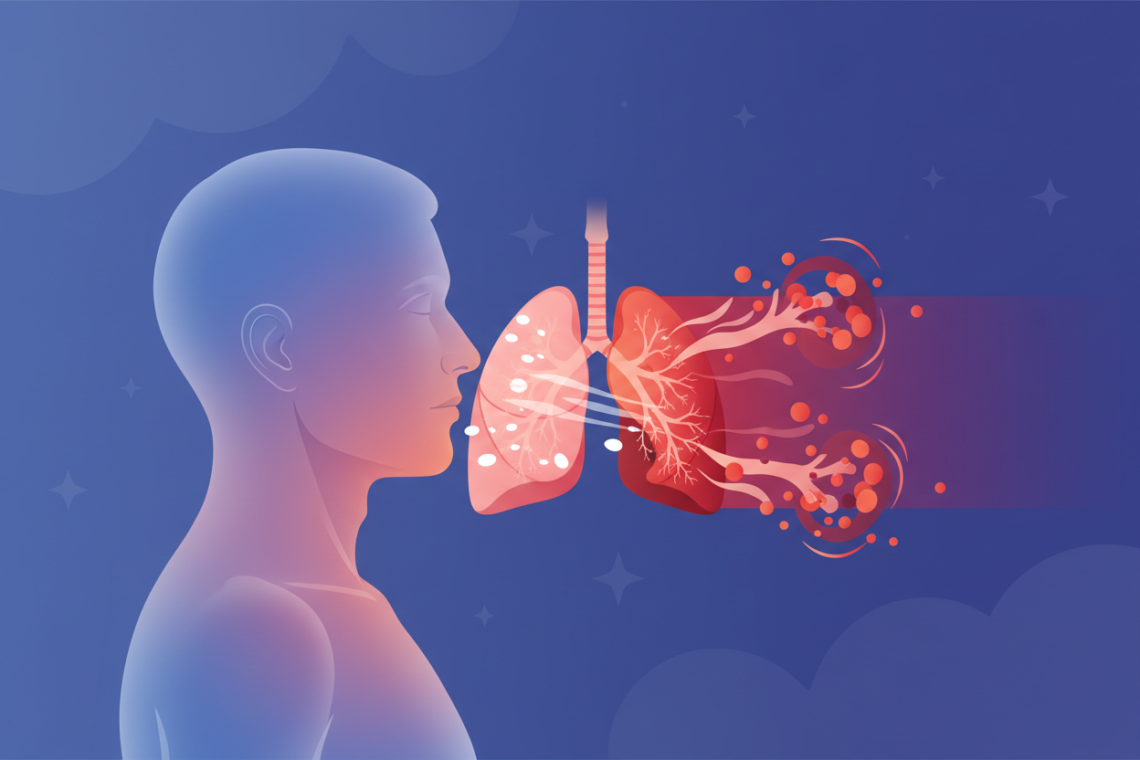
If you’ve ever woken up feeling like you’ve run a marathon while sleeping, you might be experiencing the effects of sleep apnea on your respiratory system. This common yet often undiagnosed condition doesn’t just disrupt your sleep – it can fundamentally alter how your lungs function, creating a cascade of health issues that extend far beyond nighttime breathing problems.
Sleep apnea affects millions of people worldwide, yet many remain unaware of how deeply it impacts their lung function and overall respiratory health. Understanding this connection isn’t just academic curiosity; it’s crucial for recognizing symptoms, seeking appropriate treatment, and protecting your long-term health. Let’s dive into the intricate relationship between sleep apnea and your respiratory system.
Understanding Sleep Apnea: More Than Just Snoring
Sleep apnea is a serious sleep disorder characterized by repeated interruptions in breathing during sleep. These interruptions, called apneas, can last anywhere from a few seconds to over a minute and may occur hundreds of times throughout the night. While snoring often accompanies sleep apnea, the condition goes far deeper than mere noise disruption.
There are three main types of sleep apnea, each affecting lung function differently. Obstructive sleep apnea (OSA) is the most common form, occurring when throat muscles relax and block the airway. Central sleep apnea happens when your brain fails to send proper signals to breathing muscles. Mixed sleep apnea combines elements of both types, creating complex respiratory challenges.
The prevalence of sleep apnea is staggering – studies suggest that up to 26% of adults between ages 30 and 70 have some form of sleep-disordered breathing. However, the condition often goes undiagnosed because symptoms occur during sleep when people aren’t consciously aware of their breathing patterns.
The Mechanics of Normal Lung Function During Sleep
To understand how sleep apnea disrupts respiratory function, we first need to appreciate what normal breathing looks like during sleep. During healthy sleep, your breathing naturally slows and becomes more regular compared to waking hours. Your diaphragm continues its rhythmic contractions, drawing air into your lungs and facilitating the crucial exchange of oxygen and carbon dioxide.
Your respiratory system operates on a delicate balance of neural signals, muscle coordination, and airway patency. The brain’s respiratory control center monitors blood oxygen and carbon dioxide levels, adjusting breathing rate and depth accordingly. During sleep, this system typically maintains steady, efficient breathing patterns that support restorative sleep processes.
Normal sleep breathing also involves slight changes in lung capacity and airway resistance. Your upper airway muscles relax somewhat, which is natural and healthy. However, in people with sleep apnea, this relaxation becomes problematic, leading to partial or complete airway collapse.
How Sleep Apnea Disrupts Respiratory Function
When sleep apnea strikes, your carefully orchestrated respiratory system faces significant challenges. During an apneic episode, your airway becomes partially or completely blocked, preventing normal airflow to your lungs. Your diaphragm continues trying to draw breath, but air cannot pass through the obstructed airway.
This creates a vacuum effect in your chest cavity, placing enormous strain on your respiratory muscles and cardiovascular system. Your body essentially fights against itself – respiratory muscles work harder while receiving less oxygen. Blood oxygen levels drop, sometimes dramatically, while carbon dioxide accumulates in your bloodstream.
The repeated nature of these episodes is particularly damaging to lung function. Throughout the night, your respiratory system cycles between periods of oxygen deprivation and recovery, never achieving the steady, restorative breathing patterns essential for healthy sleep. This constant stress can lead to inflammation in lung tissues and changes in how your respiratory system responds to oxygen demands.
Immediate Effects on Oxygen Levels and Gas Exchange
The most immediate impact of sleep apnea on lung function involves disrupted gas exchange – the fundamental process by which your lungs deliver oxygen to your bloodstream and remove carbon dioxide. During apneic episodes, this exchange halts temporarily, leading to hypoxemia (low blood oxygen) and hypercapnia (elevated carbon dioxide levels).
These oxygen desaturations can be severe, with blood oxygen levels dropping from normal ranges of 95-100% down to 80% or lower. For context, oxygen levels below 90% are considered medically significant and require attention. People with severe sleep apnea may experience hundreds of these desaturation events nightly.
Your body responds to these oxygen drops with arousal responses – brief awakenings that restore breathing but fragment sleep. While these arousals are protective, preventing dangerous oxygen levels, they also prevent deep, restorative sleep phases. This creates a vicious cycle where poor sleep quality compounds respiratory dysfunction.
The repeated oxygen fluctuations also trigger oxidative stress in lung tissues. This cellular damage can accumulate over time, potentially leading to chronic inflammation and changes in lung structure and function that persist even during waking hours.
Long-Term Respiratory Consequences
Chronic sleep apnea can lead to lasting changes in respiratory function that extend beyond sleep periods. One significant concern is the development of pulmonary hypertension – elevated blood pressure in the arteries supplying your lungs. The repeated oxygen drops and increased respiratory effort associated with sleep apnea can cause these blood vessels to constrict and remodel, making your heart work harder to pump blood through your lungs.
Sleep apnea may also contribute to the development or worsening of chronic obstructive pulmonary disease (COPD), particularly in people with existing risk factors like smoking history. The combination of sleep apnea and COPD, sometimes called “overlap syndrome,” creates compounded respiratory challenges and increased health risks.
Research suggests that untreated sleep apnea can lead to changes in lung compliance – how easily your lungs expand and contract. Over time, the repeated stress and inflammation may make your lungs stiffer and less efficient at gas exchange, even during normal daytime breathing.
Additionally, chronic sleep apnea appears to affect respiratory muscle strength and endurance. The constant strain of working against obstructed airways can lead to respiratory muscle fatigue, potentially reducing your overall breathing capacity and exercise tolerance.
The Connection Between Sleep Apnea and Other Respiratory Conditions
Sleep apnea rarely exists in isolation – it often interacts with other respiratory conditions in complex ways. Asthma and sleep apnea frequently coexist, with each condition potentially worsening the other. Sleep apnea can trigger asthma symptoms through increased airway inflammation and gastroesophageal reflux, while asthma-related airway inflammation may contribute to sleep apnea severity.
The relationship with COPD is particularly concerning. People with both conditions face significantly higher risks of hospitalization, respiratory failure, and mortality compared to those with either condition alone. The combination creates a perfect storm of respiratory dysfunction that requires specialized management approaches.
Sleep apnea may also complicate recovery from respiratory infections like pneumonia or bronchitis. The compromised immune function associated with poor sleep quality can make it harder to fight off infections, while respiratory infections can temporarily worsen sleep apnea symptoms.
Recognizing the Warning Signs
Understanding how sleep apnea affects lung function can help you recognize warning signs that warrant medical evaluation. While loud snoring is often the most obvious symptom, many respiratory-related signs are more subtle but equally important.
Daytime shortness of breath, particularly during mild exertion, may indicate that your respiratory system is struggling to compensate for nighttime dysfunction. Morning headaches often result from elevated carbon dioxide levels during sleep, while excessive daytime fatigue reflects the body’s struggle to maintain adequate oxygenation.
Pay attention to changes in your exercise tolerance or breathing patterns during daily activities. If you find yourself becoming winded more easily than usual, or if you experience chest tightness or breathing difficulties that seem disproportionate to your activity level, these could be signs that sleep apnea is affecting your overall respiratory function.
Sleep partners often notice breathing irregularities before the affected person does. Witnessed breathing pauses, gasping or choking sounds during sleep, and restless sleep patterns are all potential indicators of sleep-disordered breathing that requires professional evaluation.
Treatment Options and Respiratory Recovery
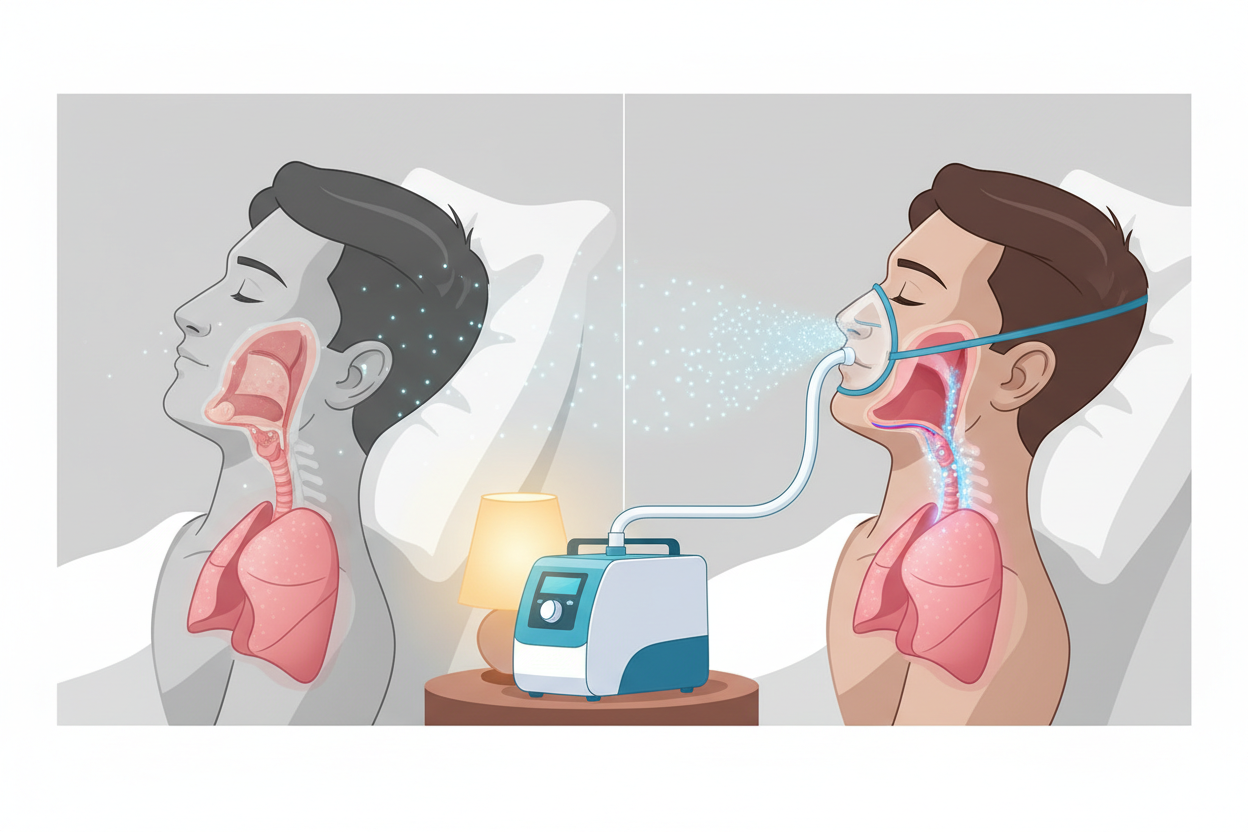
The good news is that effective treatment of sleep apnea can significantly improve respiratory function and overall health outcomes. Continuous Positive Airway Pressure (CPAP) therapy remains the gold standard treatment for moderate to severe obstructive sleep apnea. By providing a steady stream of pressurized air, CPAP keeps airways open throughout the night, allowing normal breathing patterns and gas exchange to resume.
Many people experience dramatic improvements in lung function within weeks of starting CPAP therapy. Blood oxygen levels stabilize, respiratory muscle strain decreases, and the inflammatory processes triggered by repeated oxygen drops begin to resolve. Studies show that consistent CPAP use can improve exercise tolerance, reduce pulmonary hypertension, and enhance overall respiratory health.
Alternative treatments like oral appliances, positional therapy, or surgical interventions may be appropriate for certain individuals. The key is working with healthcare providers to identify the most effective approach for your specific situation and ensuring consistent treatment adherence.
Lifestyle modifications can also support respiratory recovery. Weight loss, regular exercise, smoking cessation, and proper sleep hygiene all contribute to improved lung function and reduced sleep apnea severity. Even modest improvements in these areas can have meaningful impacts on respiratory health.
Taking Action for Better Respiratory Health
Understanding the profound impact of sleep apnea on lung function empowers you to take proactive steps toward better respiratory health. If you suspect you might have sleep apnea, don’t wait for symptoms to worsen – early intervention can prevent many of the long-term respiratory complications associated with untreated sleep-disordered breathing.
Start by discussing your concerns with a healthcare provider who can evaluate your symptoms and determine whether a sleep study is appropriate. Modern sleep testing options, including home sleep apnea tests, make diagnosis more convenient and accessible than ever before.
Remember that treating sleep apnea isn’t just about improving sleep quality – it’s about protecting your respiratory system and overall health for years to come. The investment in proper diagnosis and treatment pays dividends in improved breathing, better exercise tolerance, and reduced risk of serious respiratory complications.
Your lungs work tirelessly to keep you alive and healthy, processing thousands of breaths each day and night. When sleep apnea disrupts this vital function, the effects ripple through every aspect of your health and well-being. By understanding these connections and taking appropriate action, you can restore healthy breathing patterns and protect your respiratory system for the long term.
Take Control of Your Nighttime Breathing
Don’t let sleep apnea silently accelerate your lung disease. Discover the natural breathing protocol that thousands of respiratory patients are using to restore healthy sleep patterns and protect their lung function.
