
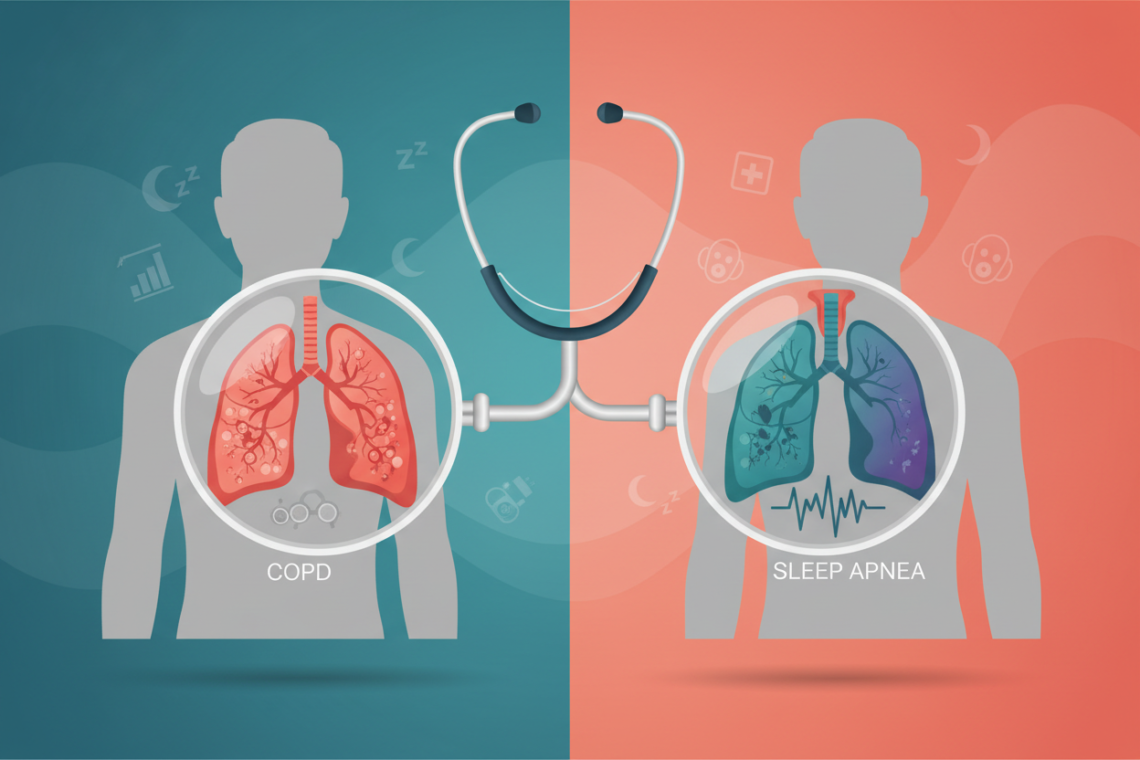
Symptom Detective: Identifying Sleep Apnea in Complex COPD Cases
When you’re dealing with chronic obstructive pulmonary disease (COPD), breathing challenges become part of your daily reality. But what happens when another sleep disorder quietly enters the picture? Sleep apnea and COPD often coexist in what medical professionals call “overlap syndrome,” creating a diagnostic puzzle that can leave both patients and healthcare providers scratching their heads.
The challenge lies in distinguishing between symptoms that belong to COPD alone and those that signal the presence of sleep apnea. Both conditions share remarkably similar warning signs, making it crucial to become a detective of your own symptoms. Understanding this overlap could be the key to finally getting the restful sleep you’ve been missing and protecting your long-term health.
Understanding the COPD and Sleep Apnea Connection
COPD affects millions of people worldwide, causing inflammation and narrowing of the airways that make breathing difficult. Sleep apnea, on the other hand, involves repeated interruptions in breathing during sleep due to airway collapse or blocked air passages. When these two conditions occur together, they create a perfect storm of sleep disruption and breathing difficulties.
Research suggests that people with COPD are significantly more likely to develop sleep apnea than the general population. The reasons are multifaceted: COPD medications can affect sleep patterns, chronic inflammation may impact upper airway muscles, and the physical changes associated with COPD can predispose individuals to airway collapse during sleep.
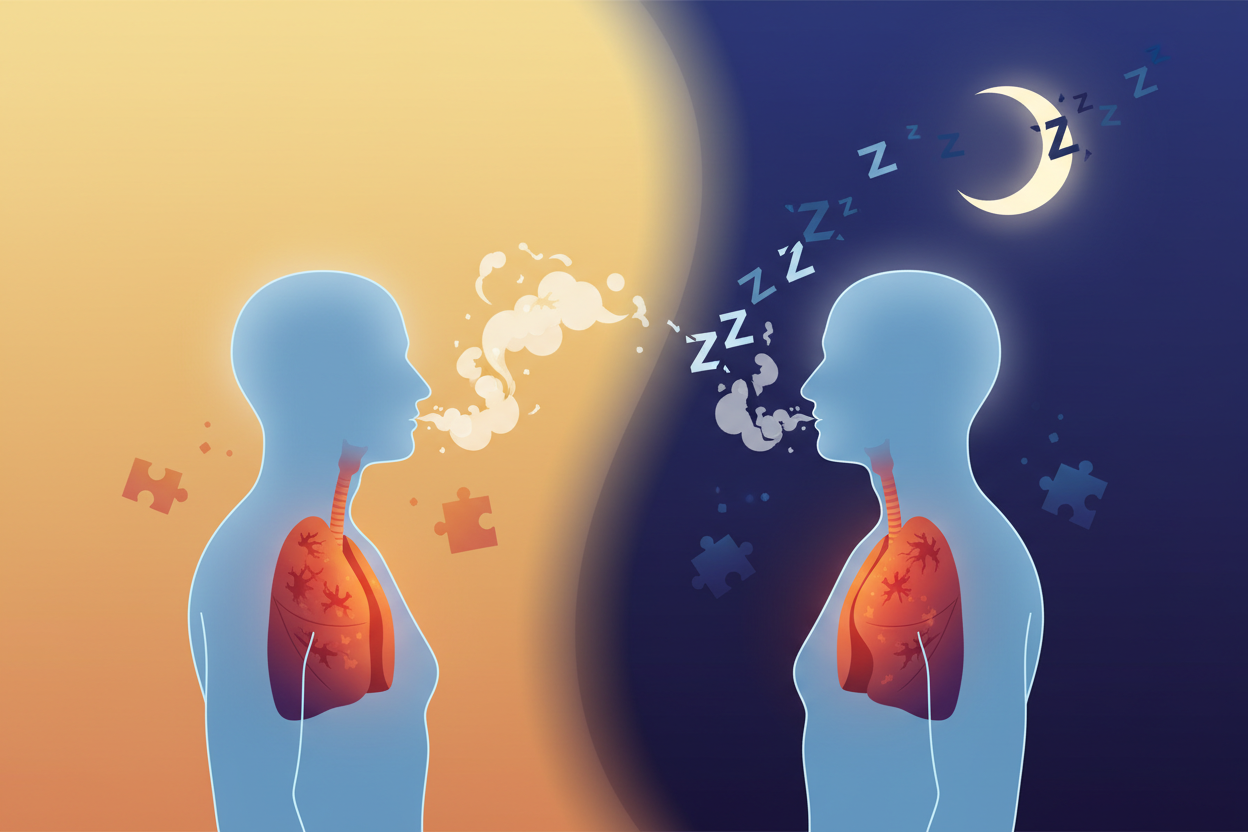
The overlap syndrome doesn’t just double your problems – it multiplies them. Patients with both conditions face increased risks of cardiovascular disease, more frequent COPD exacerbations, and significantly reduced quality of life. This makes early detection and proper treatment absolutely critical for your overall well-being.
Recognizing Sleep Apnea Symptoms Beyond COPD
Identifying sleep apnea when you already have COPD requires careful attention to subtle differences in your symptoms. While both conditions can cause fatigue and breathing difficulties, sleep apnea brings its own unique set of warning signs that often go unrecognized.
Loud, chronic snoring is often the first clue, especially if your bed partner notices periods where your breathing stops and starts during the night. However, not everyone with sleep apnea snores, and not everyone who snores has sleep apnea. The key is looking for patterns of interrupted breathing that differ from your typical COPD symptoms.
Morning headaches represent another telltale sign of sleep apnea. These headaches typically occur due to elevated carbon dioxide levels in your blood from interrupted breathing during sleep. If you’re waking up with headaches that weren’t part of your COPD experience before, this could indicate the presence of sleep apnea.
Excessive daytime sleepiness that seems disproportionate to your COPD fatigue is another important indicator. While COPD can certainly cause tiredness, sleep apnea-related sleepiness often feels different – more like an overwhelming urge to nap during inappropriate times, such as while driving or during conversations.
The Diagnostic Challenge for Healthcare Providers
Even experienced pulmonologists face significant challenges when trying to diagnose sleep apnea in COPD patients. The symptom overlap creates a diagnostic maze where traditional screening tools may not capture the full picture. Standard sleep apnea questionnaires often focus on symptoms that COPD patients already experience, making it difficult to identify new or different patterns.
Healthcare providers must look beyond obvious symptoms and consider subtle changes in a patient’s condition. They need to assess whether sleep quality has deteriorated beyond what would be expected from COPD progression alone. This requires detailed conversations about sleep patterns, energy levels throughout the day, and any changes in cognitive function or mood.
The gold standard for sleep apnea diagnosis remains the sleep study, but deciding when to order one for COPD patients requires clinical judgment. Providers must weigh the potential benefits of diagnosis against the costs and inconvenience of testing, especially for patients who may already be dealing with multiple medical appointments and treatments.
Key Warning Signs That Shouldn’t Be Ignored
Certain symptoms should raise immediate red flags for both patients and healthcare providers. If you have COPD and experience witnessed breathing interruptions during sleep, this warrants immediate attention. Your bed partner might notice that you stop breathing for ten seconds or longer, followed by gasping or choking sounds as you resume breathing.
Changes in your cognitive function can also signal sleep apnea. If you’re experiencing increased difficulty concentrating, memory problems, or mood changes that seem beyond what you’d expect from your COPD, sleep apnea might be the culprit. Poor sleep quality from untreated sleep apnea can significantly impact brain function, leading to what some patients describe as “brain fog.”
Worsening control of your COPD symptoms despite appropriate treatment might indicate underlying sleep apnea. The repeated oxygen drops and sleep fragmentation associated with sleep apnea can make COPD symptoms harder to manage and may lead to more frequent exacerbations.
Unexplained weight gain or difficulty losing weight can also be connected to sleep apnea. Poor sleep affects hormones that regulate hunger and metabolism, potentially making weight management more challenging for people who already face activity limitations due to COPD.
When to Seek Professional Sleep Evaluation
Timing is crucial when it comes to seeking sleep evaluation. Don’t wait until symptoms become severe or start significantly impacting your daily life. If you notice persistent changes in your sleep patterns or daytime functioning that can’t be explained by your COPD alone, it’s time to have a conversation with your healthcare provider.
Consider seeking evaluation if your COPD seems to be getting harder to control despite following your treatment plan faithfully. Sometimes, what appears to be worsening COPD is actually the result of untreated sleep apnea interfering with your body’s ability to recover and heal during sleep.
Family members and bed partners often provide valuable insights that you might miss. If someone close to you expresses concern about your breathing during sleep or notices changes in your behavior or energy levels, take their observations seriously. They may be seeing patterns that you’re not aware of due to the gradual nature of symptom development.
Your primary care physician or pulmonologist can help determine whether a formal sleep study is appropriate for your situation. They’ll consider factors such as your symptom severity, overall health status, and potential treatment options when making this recommendation.
Treatment Approaches for Overlap Syndrome
Successfully managing both COPD and sleep apnea requires a coordinated approach that addresses both conditions simultaneously. Continuous positive airway pressure (CPAP) therapy remains the gold standard treatment for sleep apnea and can be particularly beneficial for people with overlap syndrome.
CPAP therapy not only helps keep airways open during sleep but may also provide additional benefits for COPD patients. Some studies suggest that CPAP use can reduce COPD exacerbations and improve overall lung function, though individual responses can vary significantly.
The key to successful treatment lies in proper CPAP setup and ongoing support. People with COPD may need special consideration when it comes to CPAP pressure settings and mask selection, as their respiratory system may respond differently than typical sleep apnea patients.
Alternative treatments such as oral appliances or positional therapy might be appropriate for some patients, particularly those who cannot tolerate CPAP therapy. However, these options require careful evaluation to ensure they’re suitable for someone with existing respiratory compromise.
Improving Your Sleep Detective Skills
Becoming an effective symptom detective requires developing keen awareness of your body’s patterns and changes. Start keeping a detailed sleep diary that tracks not just your sleep hours, but also how you feel upon waking, your energy levels throughout the day, and any breathing difficulties you notice.
Pay attention to the timing of your symptoms. Sleep apnea-related fatigue often feels worst in the morning and may improve somewhat throughout the day, while COPD fatigue might have different patterns related to activity levels and medication timing.
Technology can be your ally in this detective work. Smartphone apps and wearable devices can help track sleep patterns, though they shouldn’t replace professional evaluation. These tools can provide valuable data to share with your healthcare provider and help identify trends you might not notice otherwise.
Don’t hesitate to involve your family members or bed partners in your symptom monitoring. They can provide objective observations about your sleep behaviors that you can’t assess yourself while sleeping.
Moving Forward with Confidence
Identifying sleep apnea in the context of COPD requires patience, attention to detail, and good communication with your healthcare team. The overlap of symptoms can be frustrating, but recognizing the possibility of dual conditions is the first step toward getting appropriate treatment.
Remember that having both COPD and sleep apnea doesn’t mean your situation is hopeless. Many people successfully manage both conditions with proper treatment and lifestyle modifications. The key is working with healthcare providers who understand the complexity of overlap syndrome and can develop a comprehensive treatment plan tailored to your specific needs.
Your journey as a symptom detective may reveal important clues that lead to better sleep, improved COPD control, and enhanced quality of life. Stay vigilant, communicate openly with your healthcare team, and don’t dismiss symptoms simply because you already have a chronic condition. Sometimes, the missing piece of the puzzle is closer than you think, and identifying it could make all the difference in your health and well-being.
Take Control of Your Nighttime Breathing
Don’t let sleep apnea silently accelerate your lung disease. Discover the natural breathing protocol that thousands of respiratory patients are using to restore healthy sleep patterns and protect their lung function.
