
Affiliate disclosure: This article contains affiliate links. We may earn a commission if you purchase through them, at no extra cost to you.
Mouth Makeover: Myofunctional Therapy Transformation Stories
Have you ever wondered why some people seem to breathe effortlessly through their nose while others constantly struggle with mouth breathing? Or perhaps you’ve noticed how certain individuals have perfectly aligned teeth despite never wearing braces? The secret often lies in something called myofunctional therapy – a revolutionary approach that’s transforming lives one mouth at a time.
Myofunctional therapy focuses on correcting improper muscle function and habits involving the face, mouth, and throat. It’s not just about aesthetics; it’s about fundamentally changing how we breathe, swallow, speak, and even sleep. Today, we’ll dive into real transformation stories that showcase the incredible power of this therapy and how it’s giving people complete mouth makeovers from the inside out.
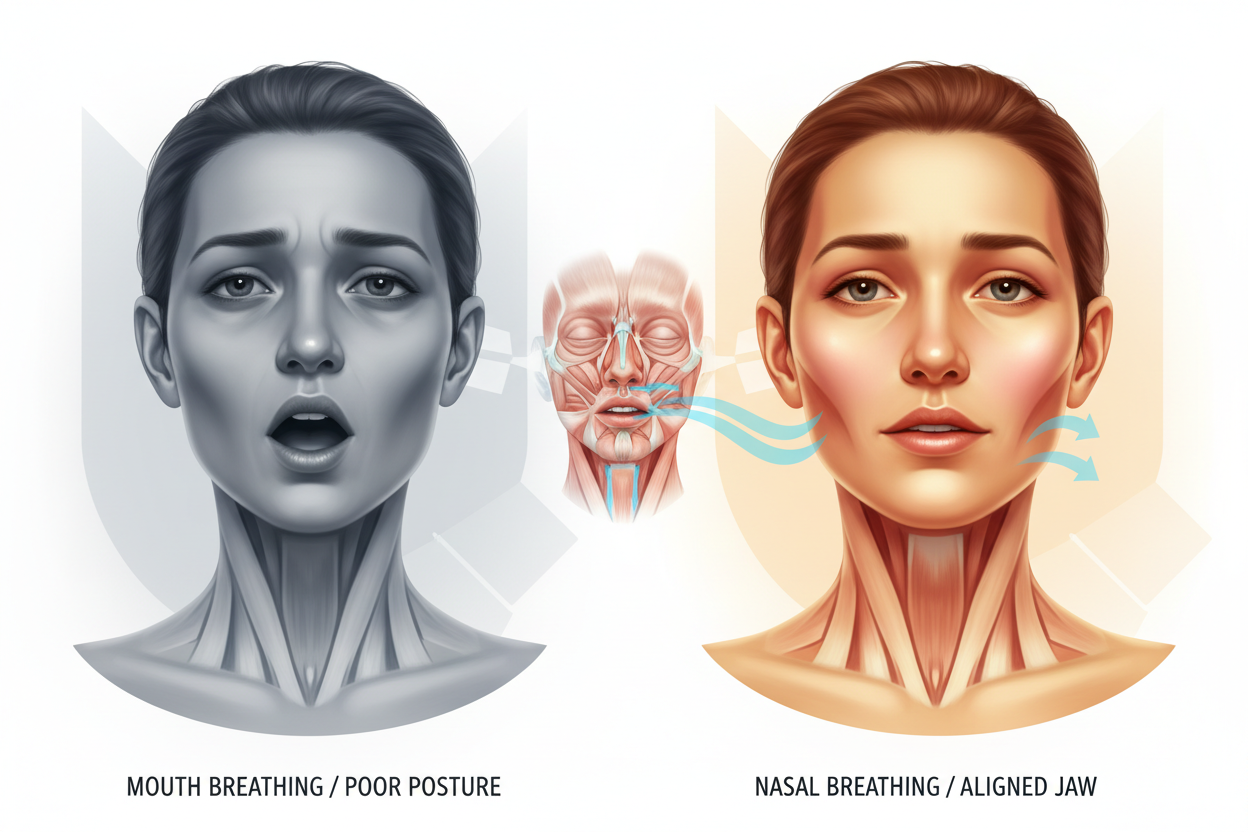
Understanding Myofunctional Therapy: More Than Meets the Eye
Before we explore these amazing transformation stories, let’s understand what myofunctional therapy actually entails. Think of it as physical therapy for your mouth and facial muscles. Just as you might work with a physical therapist to strengthen your knee after an injury, myofunctional therapy strengthens and retrains the muscles responsible for breathing, swallowing, and proper tongue posture.
The therapy addresses a wide range of issues including tongue thrust, mouth breathing, improper swallowing patterns, and sleep-disordered breathing. What makes these stories so compelling is that the changes often extend far beyond what patients initially expected. Many discover that fixing their “simple” mouth breathing habit actually improves their sleep quality, reduces anxiety, and even changes their facial structure over time.
Sarah’s Journey: From Chronic Mouth Breather to Confident Speaker
Sarah, a 34-year-old marketing executive, came to myofunctional therapy after years of struggling with chronic dry mouth, bad breath, and frequent throat infections. She had been a mouth breather since childhood, but it wasn’t until her dental hygienist mentioned the connection between mouth breathing and her dental issues that she decided to seek help.
“I honestly thought mouth breathing was just how I was built,” Sarah recalls. “I never realized it was something I could change.” Her myofunctional therapist started with basic breathing exercises and tongue positioning techniques. Within the first month, Sarah noticed she was waking up with less dry mouth and fewer morning headaches.
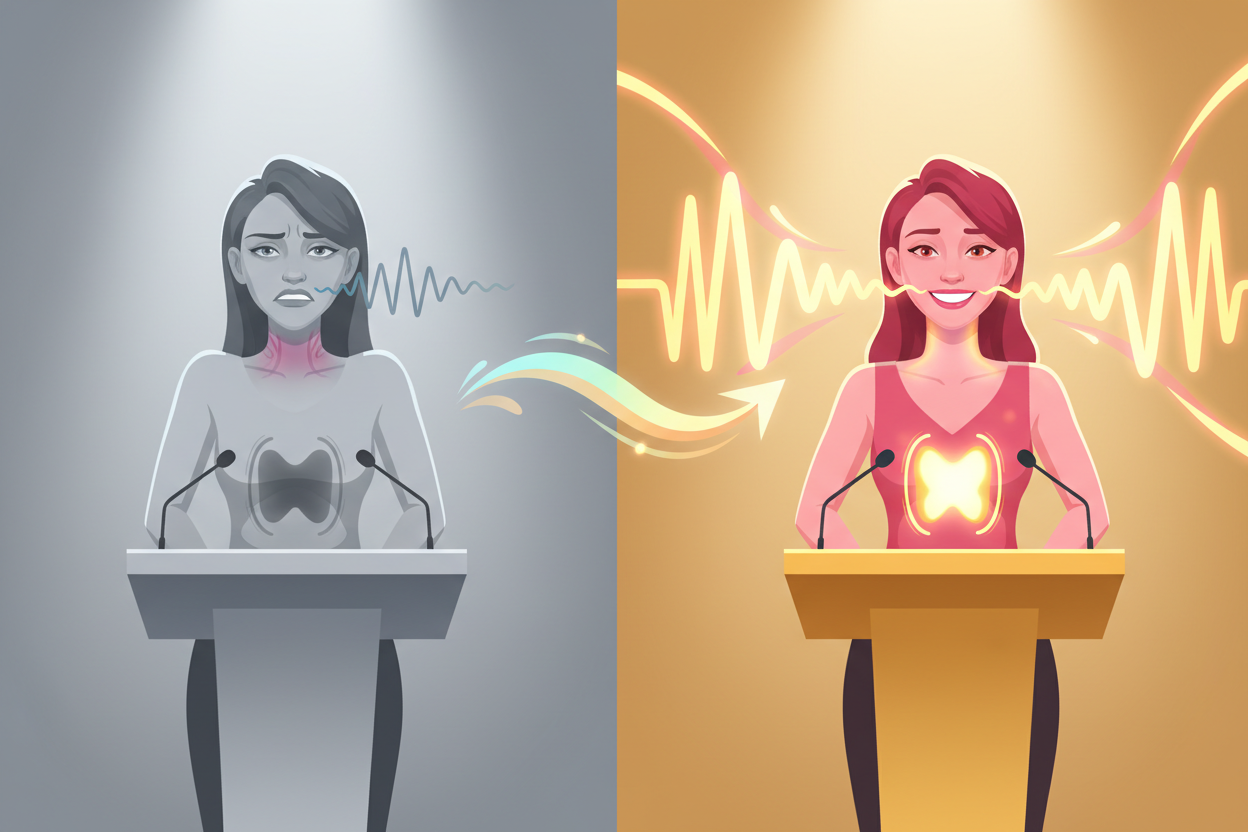
The real transformation came around month three. Sarah’s colleagues began commenting on how much clearer her presentations sounded. Her voice had become stronger and more resonant because she was finally breathing properly and using her diaphragm effectively. Six months later, Sarah’s dentist noted significant improvements in her gum health, and she hadn’t had a single throat infection since starting therapy.
“The confidence boost was unexpected but incredible,” Sarah shares. “When you’re not constantly worried about bad breath or clearing your throat during meetings, you can focus on actually connecting with people.”
Michael’s Sleep Revolution: How Proper Tongue Posture Changed Everything
Forty-two-year-old Michael’s transformation story begins with his wife’s frustration over his loud snoring and her concern about his frequent breathing interruptions during sleep. After a sleep study confirmed mild sleep apnea, Michael was fitted for a CPAP machine, but he couldn’t tolerate wearing it consistently.
His sleep specialist suggested trying myofunctional therapy as an adjunct treatment. Michael was skeptical – how could tongue exercises possibly help with sleep apnea? But after learning that improper tongue posture was contributing to his airway collapse during sleep, he committed to the program.
The exercises seemed simple at first: tongue strengthening, proper swallowing techniques, and learning to maintain correct tongue posture throughout the day. Michael practiced religiously, doing his exercises during his morning commute and before bed. The changes started subtly – his wife noticed the snoring was less frequent and less intense.
After four months of consistent therapy, Michael’s follow-up sleep study showed remarkable improvement. His sleep apnea had improved from mild to minimal, and he was sleeping through the night without the CPAP machine. “I wake up feeling actually rested now,” Michael explains. “My energy levels during the day are completely different. I didn’t realize how much poor sleep was affecting every aspect of my life.”
Emma’s Orthodontic Success: Preventing Relapse Through Muscle Retraining
Sixteen-year-old Emma had just completed two years of orthodontic treatment when her orthodontist recommended myofunctional therapy. Despite having beautifully straight teeth, Emma still had a tongue thrust habit that could potentially cause her teeth to shift back to their original positions.
Emma’s mother was initially hesitant about adding another therapy to their routine, but the orthodontist explained that without addressing the underlying muscle patterns, there was a high risk of orthodontic relapse. “We didn’t want to waste two years of braces and thousands of dollars,” Emma’s mother explains.
The myofunctional therapy focused on retraining Emma’s swallowing pattern and eliminating her tongue thrust. Emma learned to position her tongue correctly against her palate when swallowing instead of pushing it against her front teeth. The exercises were integrated into her daily routine, making them feel less like medical treatment and more like a healthy habit.
Eighteen months post-braces, Emma’s teeth remain perfectly aligned. Her orthodontist is thrilled with the stability of her results. But Emma noticed additional benefits she hadn’t expected. “My speech is clearer, especially when I’m giving presentations at school,” she says. “And I don’t get food stuck in my teeth as much because I’m chewing and swallowing more efficiently.”
James’s Facial Development Journey: Adult Changes That Surprised Everyone
At 28, James thought his facial structure was set in stone. He had always been self-conscious about his receding chin and the way his mouth seemed to hang open naturally. A friend who had undergone myofunctional therapy suggested he look into it, not for cosmetic reasons, but because James frequently complained about feeling tired and having difficulty concentrating.
James’s myofunctional therapist identified several issues: chronic mouth breathing, improper tongue posture, and weak facial muscles. The therapy program included exercises to strengthen his facial muscles, retrain his breathing patterns, and establish proper tongue posture against his palate.
The changes were gradual but undeniable. After six months, James’s family started commenting that his face looked different – more defined somehow. His jawline appeared stronger, and his lips naturally stayed closed more often. Photography comparisons showed subtle but significant changes in his facial profile.
“People ask if I’ve lost weight or changed my skincare routine,” James laughs. “But really, it’s just that my facial muscles are working properly now. My face has better tone and definition because I’m using these muscles correctly for the first time in my adult life.”
Beyond the aesthetic changes, James reports dramatically improved energy levels and better focus at work. “I never connected my breathing patterns to my energy and concentration, but the difference is night and day.”
The Ripple Effect: Unexpected Benefits of Myofunctional Therapy
What makes these transformation stories so compelling is the ripple effect of benefits that patients experience. While many people seek myofunctional therapy for specific issues like sleep apnea or orthodontic concerns, they often discover improvements in areas they never expected.
Common unexpected benefits include improved posture, reduced neck and shoulder tension, better digestion, enhanced athletic performance, and increased confidence. This happens because proper oral function is interconnected with overall body mechanics and health.
Dr. Jennifer Martinez, a myofunctional therapist with over 15 years of experience, explains: “When we correct fundamental patterns like breathing and swallowing, we’re essentially optimizing the body’s basic functions. It’s like tuning an engine – everything runs more efficiently when the basics are working correctly.”
Starting Your Own Transformation: What to Expect
If these stories resonate with you, you might be wondering about starting your own myofunctional therapy journey. The process typically begins with a comprehensive evaluation to identify specific muscle dysfunction patterns and contributing factors.
Most therapy programs last between 6-12 months, with exercises practiced daily at home and periodic check-ins with the therapist. The key to success is consistency – these are muscle retraining programs that require regular practice to establish new, healthy patterns.
It’s important to work with a qualified myofunctional therapist who can properly assess your needs and design a customized program. Many therapists work in conjunction with other healthcare providers like dentists, orthodontists, and sleep specialists to provide comprehensive care.
The Future of Oral Health: A Holistic Approach
These transformation stories represent a growing understanding that oral health extends far beyond cavity prevention and straight teeth. The mouth is the gateway to our respiratory and digestive systems, and proper muscle function affects everything from sleep quality to facial development.
As more healthcare providers recognize these connections, myofunctional therapy is becoming an integral part of comprehensive treatment plans. Whether you’re dealing with sleep issues, orthodontic concerns, or simply want to optimize your oral function, these real-life transformations show that significant positive changes are possible at any age.
The journey to better oral function isn’t just about fixing problems – it’s about unlocking your body’s potential for optimal health and well-being. As these stories demonstrate, sometimes the most profound transformations come from addressing the fundamentals we often take for granted, like how we breathe, swallow, and position our tongue throughout the day.
Take Control of Your Nighttime Breathing
Don’t let sleep apnea silently accelerate your lung disease. Discover the natural breathing protocol that thousands of respiratory patients are using to restore healthy sleep patterns and protect their lung function.