
Sleep Position Secrets: Best Ways to Sleep with Sleep Apnea and Asthma
If you’re one of the millions struggling with both sleep apnea and asthma, you know how challenging it can be to get a good night’s rest. These two conditions often go hand in hand, creating a frustrating cycle where breathing difficulties during sleep affect your overall health and quality of life. The good news? Your sleep position can make a significant difference in managing both conditions simultaneously.
Finding the right sleeping position isn’t just about comfort—it’s about creating the optimal environment for your airways to stay open and your breathing to remain steady throughout the night. When you have sleep apnea and asthma, every position matters, and small adjustments can lead to dramatically better sleep quality.
Understanding the Sleep Apnea and Asthma Connection
Before diving into the best sleeping positions, it’s crucial to understand how sleep apnea and asthma interact. Sleep apnea occurs when your airway becomes partially or completely blocked during sleep, causing breathing interruptions. Asthma, on the other hand, involves inflammation and narrowing of the airways, making breathing difficult.
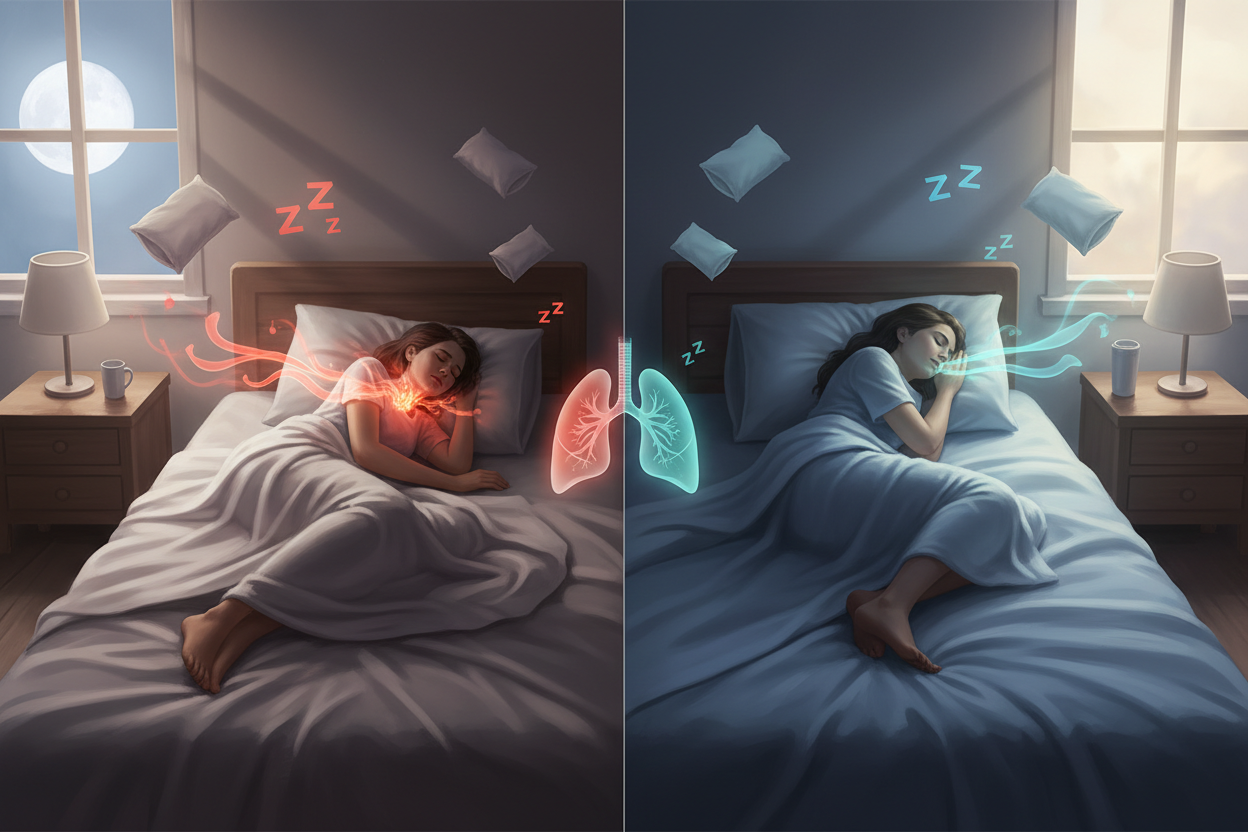
When these conditions occur together, they create what sleep specialists call a “double whammy” effect. The inflammation from asthma can worsen sleep apnea symptoms, while the disrupted sleep patterns from sleep apnea can trigger more frequent asthma attacks. This is why finding the right sleep position becomes even more critical for people dealing with both conditions.
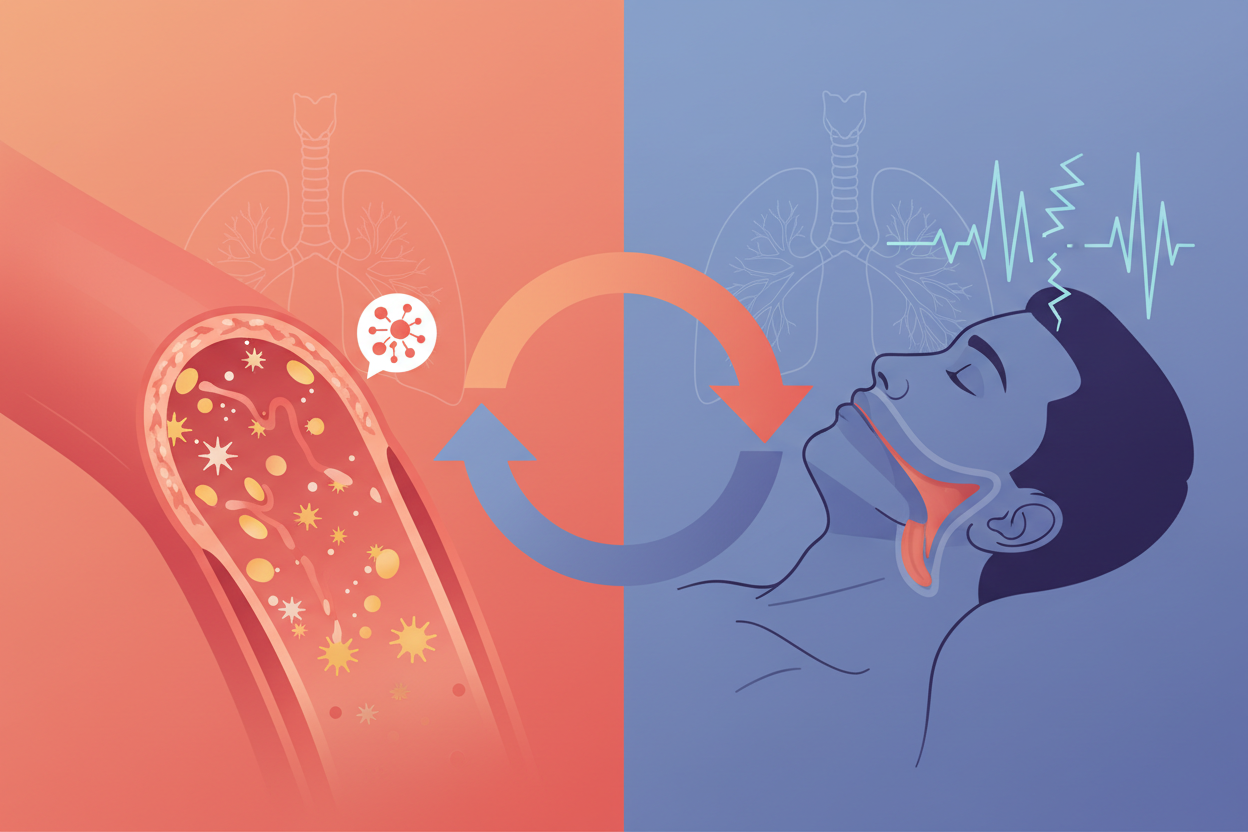
Research shows that people with asthma are significantly more likely to develop sleep apnea, and those with sleep apnea often experience worsening asthma symptoms. The key is breaking this cycle through proper sleep positioning and breathing techniques.
The Science Behind Sleep Positioning for Better Breathing
Your sleep position directly affects how gravity influences your airways, tongue position, and overall breathing mechanics. When you lie flat on your back, gravity pulls your tongue and soft tissues backward, potentially blocking your airway—a major concern for sleep apnea sufferers.
For asthma patients, certain positions can also affect how mucus drains from the lungs and how the diaphragm functions. The position of your chest and ribcage influences lung expansion, which is particularly important when your airways are already compromised by asthma inflammation.
Understanding these mechanics helps explain why some positions feel more comfortable than others and why making strategic adjustments can lead to better breathing throughout the night.
Best Sleep Positions for Sleep Apnea and Asthma
Side Sleeping: The Gold Standard
Side sleeping, particularly on your left side, is widely considered the best position for people with both sleep apnea and asthma. This position offers multiple benefits that address both conditions simultaneously.
When you sleep on your side, gravity works in your favor by keeping your tongue and soft tissues from falling backward and blocking your airway. This natural positioning significantly reduces the likelihood of airway obstruction that causes sleep apnea episodes.
For asthma sufferers, side sleeping promotes better lung drainage and allows for more natural chest expansion. The left side is often preferred because it can improve heart function and circulation, which indirectly benefits breathing patterns.
To optimize side sleeping, place a firm pillow between your knees to maintain proper spinal alignment. This prevents you from rolling onto your stomach or back during the night. Consider using a body pillow for additional support and comfort.
Elevated Side Sleeping for Maximum Benefit
Taking side sleeping one step further, elevating your upper body while sleeping on your side can provide even greater benefits. This position combines the airway-opening advantages of side sleeping with the gravity-assisted drainage that comes from elevation.
You can achieve this position by using an adjustable bed base, a wedge pillow, or by propping up the head of your mattress with blocks or books. Aim for an elevation of about 30 to 45 degrees—enough to feel the difference but not so steep that you slide down during the night.
This elevated side position is particularly beneficial for people whose asthma symptoms worsen at night due to post-nasal drip or acid reflux, both common triggers that can be minimized with proper elevation.
The Modified Back Sleeping Approach
While back sleeping is generally not recommended for sleep apnea sufferers, some people find it difficult to stay comfortable on their sides all night. If you must sleep on your back, there are ways to modify this position to make it safer and more beneficial.
The key is significant elevation—much more than you might use for side sleeping. Elevate your head and upper torso to at least a 45-degree angle, creating an almost reclining position. This helps prevent your tongue from falling backward while also promoting better lung drainage for asthma management.
Use multiple pillows or a large wedge pillow to achieve this angle comfortably. Make sure your neck is properly supported to avoid strain. Some people find that sleeping in a recliner chair initially helps them get used to this elevated back position before transitioning to their bed.
Sleep Positions to Avoid
Certain sleep positions can worsen both sleep apnea and asthma symptoms, making it crucial to identify and avoid them. Flat back sleeping is the most problematic position for sleep apnea sufferers, as it allows gravity to pull the tongue and soft tissues backward, increasing the risk of airway obstruction.
Stomach sleeping, while it might seem like it would keep airways open, actually creates its own set of problems. This position can strain your neck, compress your chest, and make it harder for your diaphragm to function properly—all issues that can worsen asthma symptoms.
Sleeping completely flat without any elevation is also problematic for people with both conditions, as it doesn’t take advantage of gravity’s potential to help with drainage and airway positioning.
Creating the Optimal Sleep Environment
Beyond positioning, your sleep environment plays a crucial role in managing both sleep apnea and asthma. Keep your bedroom cool, ideally between 65 and 68 degrees Fahrenheit, as overheating can worsen both conditions.
Humidity levels should be maintained between 30 and 50 percent. Too much humidity can promote dust mites and mold growth, common asthma triggers, while too little can dry out your airways and worsen sleep apnea symptoms.
Consider using an air purifier to remove allergens and irritants from your sleeping environment. Regular cleaning of bedding in hot water and using hypoallergenic pillow and mattress covers can also help reduce asthma triggers while you sleep.
Additional Tools and Techniques for Better Sleep
Several tools can help you maintain optimal sleep positions throughout the night. Positional therapy devices, such as special pillows or wearable devices, can help prevent you from rolling onto your back if you’re a natural back sleeper.
Wedge pillows are invaluable for maintaining elevation, and they come in various sizes and firmness levels to suit different preferences. Some people find that a combination of a wedge pillow and regular pillows provides the most comfortable and effective positioning.
For those with severe sleep apnea, CPAP therapy remains the gold standard treatment. The good news is that proper sleep positioning can make CPAP therapy more effective and comfortable, potentially allowing for lower pressure settings.
When to Seek Professional Help
While proper sleep positioning can significantly improve symptoms for many people with sleep apnea and asthma, it’s not a substitute for professional medical care. If you’re experiencing severe symptoms, frequent nighttime awakenings, or daytime fatigue despite trying different sleep positions, it’s time to consult with a healthcare provider.
A sleep study can provide valuable insights into the severity of your sleep apnea and how it interacts with your asthma. This information can help your healthcare team develop a comprehensive treatment plan that may include positioning strategies, medical devices, medications, or other interventions.
Don’t hesitate to work with both a pulmonologist for your asthma management and a sleep specialist for your sleep apnea. These conditions often require coordinated care for optimal management.
Conclusion
Managing sleep apnea and asthma doesn’t have to mean accepting poor sleep quality as inevitable. By understanding how sleep position affects both conditions and implementing the strategies outlined in this guide, you can take significant steps toward better breathing and more restful nights.
Remember that side sleeping, particularly with elevation, offers the best combination of benefits for most people with both conditions. However, the key is finding what works specifically for your body and your symptoms. It may take some experimentation with different positions, pillows, and elevation levels to find your optimal setup.
Start with small changes and give each adjustment time to show results. Keep a sleep diary to track which positions and techniques lead to better sleep quality and fewer symptoms. Most importantly, work with your healthcare providers to ensure that your sleep positioning strategies complement your overall treatment plan for both conditions.
Quality sleep is not a luxury—it’s a necessity for managing chronic conditions like sleep apnea and asthma. With the right approach to sleep positioning and environmental optimization, you can break the cycle of poor sleep and breathing difficulties, leading to better health and improved quality of life.
Take Control of Your Nighttime Breathing
Don’t let sleep apnea silently accelerate your lung disease. Discover the natural breathing protocol that thousands of respiratory patients are using to restore healthy sleep patterns and protect their lung function.
