

Muscle Memory: Training Your Upper Airways for Better Nighttime Breathing
Have you ever wondered why some people sleep soundly while others struggle with snoring, sleep apnea, or restless nights? The answer might lie in something we rarely think about: the muscle memory of our upper airways. Just like learning to ride a bike or play piano, our throat muscles can be trained to maintain better positioning during sleep, leading to improved breathing and more restful nights.
Your upper airway consists of complex muscle groups that work together to keep your breathing passages open. When these muscles lose tone or coordination, especially during the relaxed state of sleep, breathing problems can arise. The good news is that targeted exercises and techniques can help retrain these muscles, creating positive muscle memory that continues working even while you’re unconscious.

Understanding Upper Airway Muscle Memory
Muscle memory isn’t just for athletes and musicians. Your upper airway muscles, including those in your tongue, soft palate, and throat, develop patterns of behavior through repetition. During waking hours, these muscles naturally maintain tension to keep your airway open. However, during sleep, muscle relaxation can cause the airway to narrow or collapse, leading to breathing disruptions.
The concept of training upper airway muscle memory involves teaching these muscles to maintain better positioning and tone, even in their relaxed state. This training doesn’t happen overnight, but with consistent practice, you can significantly improve your nighttime breathing patterns. Think of it as creating a default setting for your muscles that promotes optimal airway function during sleep.
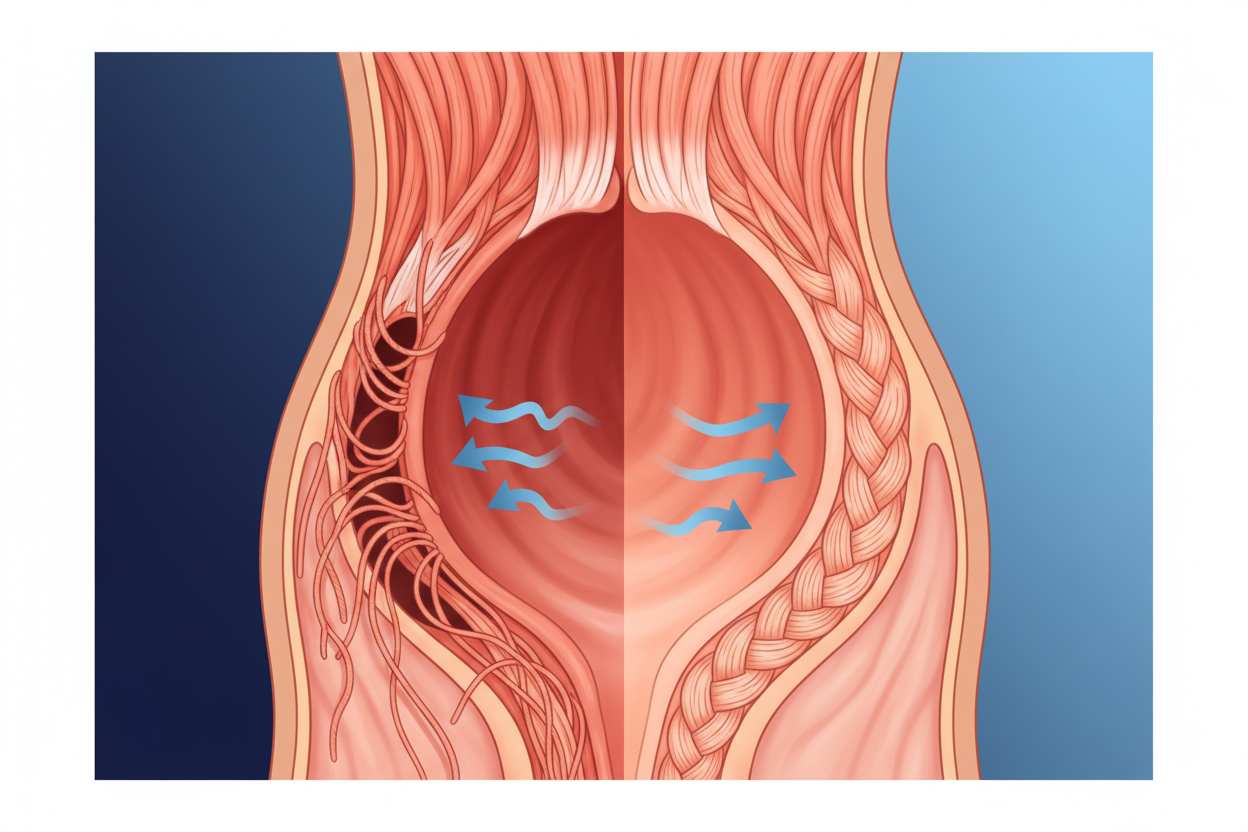
Research has shown that people who regularly practice upper airway exercises experience reduced snoring, fewer sleep apnea episodes, and improved overall sleep quality. The key lies in understanding which muscles to target and how to train them effectively.
The Science Behind Airway Muscle Training
When we examine the physiology of sleep-related breathing disorders, we find that muscle weakness and poor coordination play significant roles. The muscles responsible for maintaining airway patency include the genioglossus (tongue muscle), the muscles of the soft palate, and various throat muscles that work together to keep the breathing passage clear.
During REM sleep, these muscles naturally experience decreased tone, which is normal. However, in individuals with breathing disorders, this relaxation can be excessive, causing the airway to become too narrow or completely blocked. By strengthening these muscles and improving their coordination through targeted exercises, we can minimize this collapse and maintain better airflow throughout the night.
Studies have demonstrated that myofunctional therapy, which focuses on exercising the muscles of the face, mouth, and throat, can reduce the severity of sleep apnea by up to 50% in some cases. This improvement occurs because stronger, better-coordinated muscles maintain their function more effectively during sleep, even in their relaxed state.
Effective Upper Airway Exercises for Better Sleep
Training your upper airway muscles requires a systematic approach with exercises that target different muscle groups. These exercises should be performed consistently, ideally twice daily, to build the muscle memory necessary for improved nighttime breathing.
Tongue strengthening exercises form the foundation of upper airway training. One effective technique involves pressing your tongue firmly against the roof of your mouth and holding for 10 seconds, repeating this 10 times. Another valuable exercise is tongue slides, where you place the tip of your tongue behind your upper front teeth and slide it backward along the roof of your mouth.
Soft palate exercises are equally important for maintaining airway openness. Try saying “ah” while keeping your mouth wide open, focusing on lifting the soft palate. Hold this position for 5 seconds and repeat 10 times. You can also practice swallowing with your tongue pressed against the roof of your mouth, which engages multiple muscle groups simultaneously.
Throat muscle strengthening can be achieved through controlled yawning exercises. Open your mouth wide as if yawning, hold for 5 seconds, then close slowly. This exercise helps strengthen the muscles that keep your throat open during sleep. Additionally, practicing controlled breathing through your nose while keeping your mouth closed helps train proper breathing patterns.
Creating a Consistent Training Routine
Establishing muscle memory requires consistency and patience. Your upper airway training routine should become as regular as brushing your teeth. The most effective approach involves performing exercises twice daily, once in the morning and once before bedtime.
Start with a 10-minute routine that includes 3-4 different exercises. As your muscles strengthen and coordination improves, you can gradually increase the duration or add more challenging variations. Remember that building muscle memory takes time, typically 4-6 weeks of consistent practice before you notice significant improvements in your sleep quality.
Keep a simple log of your exercises and any changes you notice in your sleep patterns. This documentation helps maintain motivation and allows you to track progress over time. Many people report improvements in snoring within the first few weeks, while more significant changes in sleep quality often occur after 6-8 weeks of consistent training.
It’s important to perform exercises correctly rather than rushing through them. Focus on proper form and controlled movements, as this builds more effective muscle memory than simply completing repetitions quickly.
Breathing Techniques That Support Muscle Memory
Beyond specific muscle exercises, incorporating proper breathing techniques into your daily routine reinforces positive muscle memory patterns. Diaphragmatic breathing, where you breathe deeply using your diaphragm rather than shallow chest breathing, helps coordinate the entire respiratory system.
Practice nasal breathing throughout the day, as this naturally engages the muscles responsible for maintaining airway patency. When you breathe through your nose, your tongue naturally assumes a better position, and the muscles of your soft palate remain more active. This constant practice during waking hours helps establish the muscle memory that continues during sleep.
Box breathing, where you inhale for 4 counts, hold for 4 counts, exhale for 4 counts, and hold empty for 4 counts, can help improve overall respiratory muscle coordination. This technique not only strengthens your breathing muscles but also promotes relaxation, which can improve sleep quality independently of the muscle training benefits.
Lifestyle Factors That Enhance Muscle Memory Development
Your success in developing upper airway muscle memory extends beyond exercise routines. Several lifestyle factors can either support or hinder your progress, making it important to consider your overall approach to sleep health.
Maintaining proper hydration helps keep the tissues of your upper airway healthy and responsive to training. Dehydrated tissues become less flexible and more prone to swelling, which can counteract the benefits of your muscle training efforts. Aim for adequate water intake throughout the day, but reduce consumption in the hours before bedtime to avoid sleep disruptions.
Sleep position plays a crucial role in supporting your muscle memory training. Sleeping on your side rather than your back helps maintain better airway alignment and reduces the work your trained muscles need to perform. Consider using a body pillow or positional device to help maintain side sleeping throughout the night.
Avoiding alcohol and sedatives before bedtime is essential, as these substances can counteract your muscle training by causing excessive muscle relaxation. Similarly, maintaining a healthy weight reduces the pressure on your airway muscles and allows them to function more effectively.
When to Seek Professional Guidance
While upper airway muscle training can be highly effective, it’s important to recognize when professional help might be beneficial. If you have severe sleep apnea, chronic snoring that doesn’t improve with exercise, or other serious sleep disorders, consulting with a sleep specialist or myofunctional therapist can provide personalized guidance.
A qualified professional can assess your specific muscle weaknesses and coordination issues, providing targeted exercises that address your individual needs. They can also help you avoid common mistakes in exercise technique that might limit your progress or potentially cause strain.
Additionally, if you experience jaw pain, persistent fatigue, or worsening sleep quality despite consistent exercise, professional evaluation can help identify underlying issues that might require different treatment approaches alongside your muscle training routine.
Measuring Your Progress and Long-term Success
Tracking your progress in upper airway muscle memory development involves both objective and subjective measures. Keep notes about your sleep quality, energy levels, and any feedback from sleep partners about changes in snoring or breathing patterns.
Many people find that using a sleep tracking app or device helps provide objective data about sleep quality improvements. While these tools aren’t medical devices, they can help identify trends and improvements over time that correlate with your exercise routine.
The long-term success of upper airway muscle training depends on maintaining your exercise routine even after achieving improvements. Like any muscle memory, the benefits can fade without continued practice. However, once established, maintaining your gains typically requires less intensive training than the initial development phase.
Remember that individual results vary, and factors such as age, overall health, and the severity of initial breathing problems all influence outcomes. Some people experience dramatic improvements within weeks, while others see gradual progress over several months. The key is consistency and patience with the process.
Training your upper airways for better nighttime breathing through muscle memory development represents a natural, non-invasive approach to improving sleep quality. By understanding the science behind airway muscle function, implementing targeted exercises, and maintaining consistent practice, you can develop the muscle memory necessary for better breathing during sleep. While results take time and dedication, the potential improvements in sleep quality, energy levels, and overall health make this training approach well worth the investment in your nightly routine.
Take Control of Your Nighttime Breathing
Don’t let sleep apnea silently accelerate your lung disease. Discover the natural breathing protocol that thousands of respiratory patients are using to restore healthy sleep patterns and protect their lung function.
