
Pillow Talk: Strategic Sleep Positioning for Respiratory Conditions
When you’re struggling to breathe properly at night, every small adjustment can make a world of difference. The way you position yourself during sleep isn’t just about comfort—it’s about creating the optimal conditions for your respiratory system to function effectively. Whether you’re dealing with sleep apnea, asthma, COPD, or seasonal allergies, understanding how sleep positioning affects your breathing can transform your nights from restless battles into restorative experiences.
Sleep positioning for respiratory health goes far beyond simply propping up a few pillows. It’s a strategic approach that takes into account gravity, airway anatomy, and the unique challenges your specific condition presents. The good news? With the right knowledge and setup, you can significantly improve your breathing quality and sleep satisfaction without expensive equipment or medications.
Understanding the Connection Between Sleep Position and Breathing
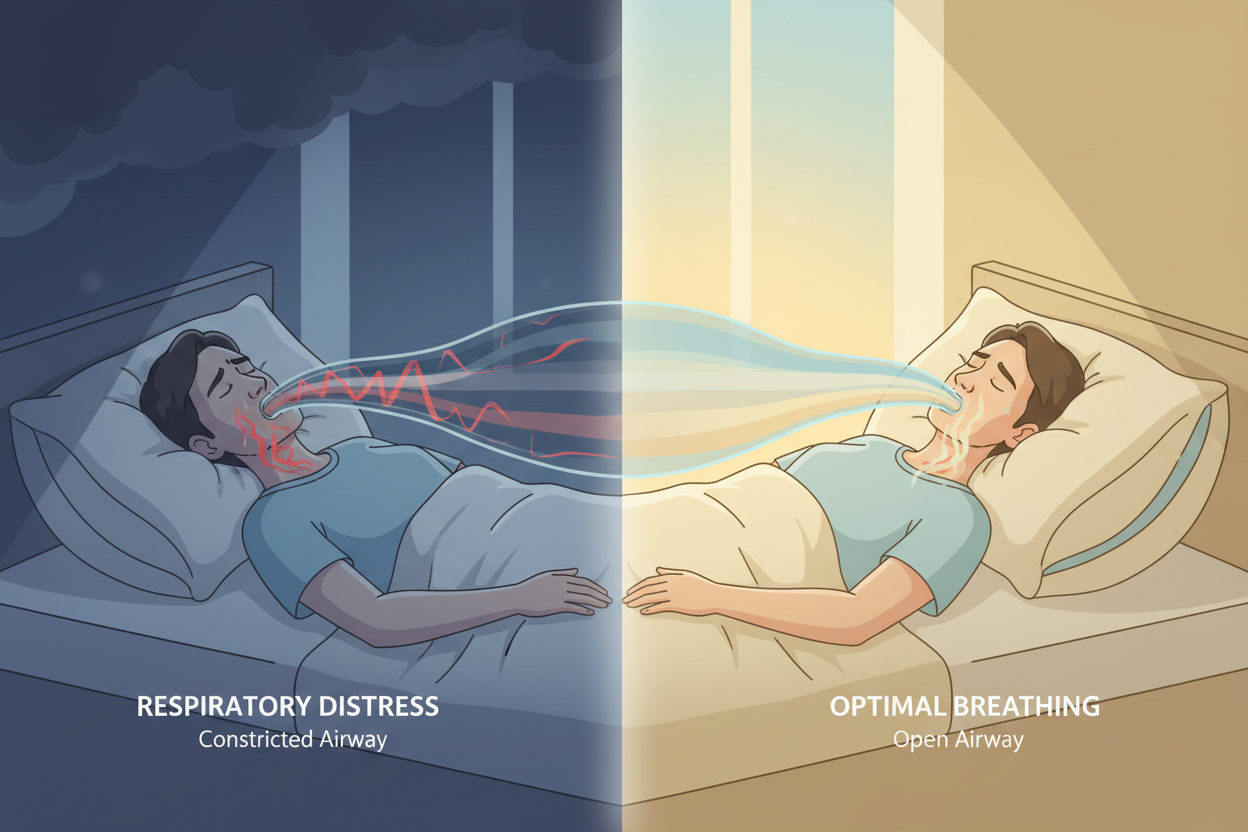
Your sleeping position directly impacts how effectively your respiratory system operates throughout the night. When you lie flat on your back, gravity naturally pulls your tongue and soft tissues backward, potentially narrowing your airway. This phenomenon becomes particularly problematic for people with sleep apnea, but it can affect anyone with compromised breathing.
The position of your head, neck, and torso creates a cascade effect on your entire respiratory system. Proper alignment keeps your airways open and reduces the work your breathing muscles need to perform. Conversely, poor positioning can lead to shallow breathing, increased snoring, and frequent wake-ups that fragment your sleep cycle.
Different respiratory conditions respond better to specific positioning strategies. What works wonderfully for someone with acid reflux might not be ideal for someone managing chronic bronchitis. This is why understanding your particular needs is crucial for developing an effective sleep positioning strategy.
The Elevated Sleep Position: Your First Line of Defense
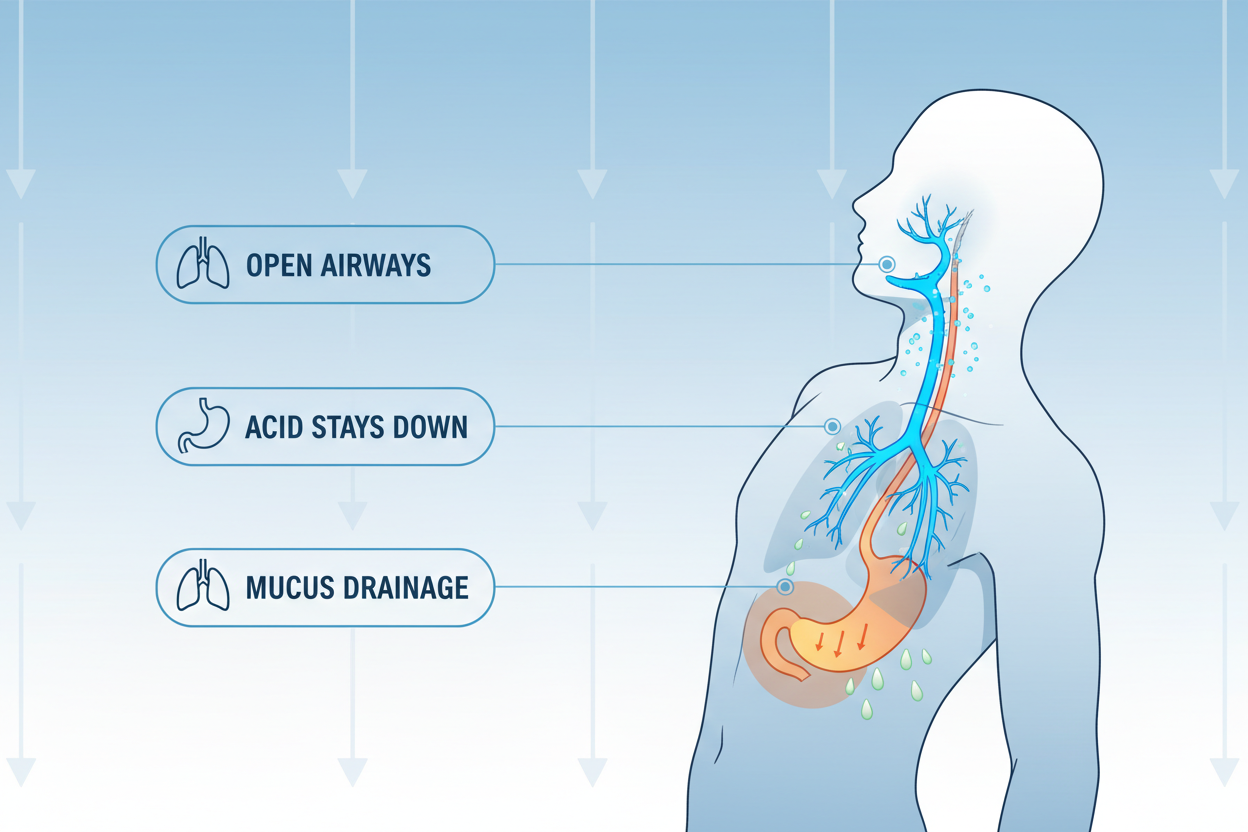
Elevating your upper body is often the most effective starting point for improving respiratory function during sleep. This position, sometimes called the “semi-Fowler’s position” in medical settings, involves raising your head and chest to create an angle between 30 to 45 degrees from horizontal.
The benefits of elevation are multifaceted. First, it uses gravity to your advantage, helping keep your airways naturally open and reducing the likelihood of soft tissue collapse. Second, it can significantly reduce acid reflux, which often worsens respiratory symptoms by irritating the throat and airways. Third, it promotes better drainage of mucus and secretions, preventing them from pooling in your lungs or throat.
Creating the proper elevation requires more than just stacking regular pillows. Standard pillows tend to create awkward angles that can strain your neck or cause you to slide down during the night. Instead, consider investing in a wedge pillow specifically designed for this purpose. These triangular supports maintain consistent elevation throughout the night and provide more stable support than traditional pillow arrangements.
If a wedge pillow isn’t immediately available, you can create temporary elevation by placing pillows or folded blankets under your mattress at the head of your bed. This creates a gentle, consistent slope that supports your entire torso rather than just your head and neck.
Side Sleeping: The Natural Airway Opener
Side sleeping has gained recognition as one of the most beneficial positions for respiratory health, particularly for people with sleep apnea or chronic snoring issues. When you sleep on your side, gravity works differently on your airway tissues, reducing the likelihood of obstruction and promoting more stable breathing patterns.
The left side versus right side debate often comes up in discussions about optimal sleep positioning. For most respiratory conditions, either side works well, but there are some specific considerations. Left-side sleeping may be preferable if you also deal with acid reflux, as it can help prevent stomach acid from flowing back into your esophagus. However, if you have certain heart conditions, your doctor might recommend right-side sleeping instead.
Maintaining side sleeping throughout the night can be challenging, especially if you’re naturally a back sleeper. One effective technique involves using a body pillow or placing a pillow behind your back to prevent rolling. Some people find success with the “pillow hug” method, where they hold a pillow against their chest and stomach, which naturally encourages side sleeping and provides additional support.
For optimal side sleeping benefits, ensure your pillow height properly supports your neck alignment. Your spine should maintain its natural curve from your head down to your tailbone. Too high or too low, and you might create new problems while trying to solve your breathing issues.
Condition-Specific Positioning Strategies
Sleep apnea sufferers often find the greatest relief through a combination of elevation and side sleeping. The elevated side position—lying on your side with your upper body raised—can be particularly effective. This position minimizes airway collapse while preventing your tongue from falling backward into your throat.
For those managing COPD or chronic bronchitis, the focus shifts toward positions that facilitate easier breathing and mucus clearance. The elevated position remains important, but you might also benefit from slight forward positioning, which can be achieved by placing a pillow under your chest while lying on your side. This opens up your chest cavity and makes breathing less laborious.
Asthma management during sleep often requires attention to allergen exposure as well as positioning. Elevating your head can help reduce nighttime asthma symptoms, but equally important is ensuring your pillows and bedding are allergen-proof and regularly cleaned. Some asthma sufferers find that sleeping with their arms slightly elevated on pillows can help open their chest cavity for easier breathing.
Individuals dealing with seasonal allergies or sinus congestion might benefit from more aggressive elevation—sometimes up to 60 degrees—to promote sinus drainage. This steeper angle helps prevent mucus from pooling in your sinuses and reduces the postnasal drip that can trigger coughing fits during the night.
Creating the Optimal Sleep Environment
Your sleep positioning strategy works best when supported by an optimal sleep environment. Humidity levels play a crucial role in respiratory comfort—too dry, and your airways become irritated; too humid, and you might encourage mold growth or dust mite proliferation. Most respiratory specialists recommend maintaining bedroom humidity between 30-50%.
Air quality deserves equal attention. Consider using an air purifier with a HEPA filter to remove allergens, dust, and other irritants from your sleeping space. If you live in an area with poor outdoor air quality, keeping windows closed and relying on filtered air circulation can make a significant difference in your nighttime breathing quality.
Temperature control also impacts your respiratory function. Cooler air is generally easier to breathe, and most people sleep better in temperatures between 65-68 degrees Fahrenheit. However, avoid making your room so cold that you need heavy blankets, which might interfere with your carefully planned positioning strategy.
The cleanliness of your sleep environment cannot be overstated. Regular washing of bedding in hot water, frequent vacuuming with a HEPA filter, and keeping pets out of the bedroom can dramatically reduce allergen exposure that might worsen respiratory symptoms regardless of how well you position yourself.
Tools and Accessories for Better Positioning
While proper positioning can be achieved with creative pillow arrangements, specialized tools often provide more consistent and comfortable results. Wedge pillows come in various heights and firmness levels, allowing you to find the perfect elevation for your needs. Memory foam options contour to your body while maintaining their shape throughout the night.
Adjustable beds represent the gold standard for sleep positioning flexibility. Modern adjustable bases allow you to fine-tune your head and foot elevation independently, creating the perfect angle for your respiratory needs. Many models also include features like massage functions and USB charging ports, making them practical for more than just medical positioning.
Body pillows and positioning aids can help maintain your chosen position throughout the night. C-shaped pregnancy pillows work well for side sleepers, providing support for your back, belly, and legs simultaneously. Smaller positioning wedges can be placed strategically to prevent rolling or to support specific body parts.
For those dealing with more severe respiratory conditions, specialized medical positioning products might be necessary. These can include hospital-style bed wedges, positioning cushions designed for specific conditions, or even custom-made supports recommended by your healthcare provider.
Making the Transition: Tips for Success
Changing your sleep position after years of habit can feel uncomfortable initially. Your body needs time to adjust to new positioning, and you might experience some temporary discomfort as your muscles and joints adapt. Start gradually—if you’re moving from flat sleeping to elevated positioning, begin with a gentle incline and increase it over several nights.
Consistency is key to successful position training. Try to maintain your new positioning strategy every night, even when traveling. Portable wedge pillows or inflatable positioning aids can help you maintain your routine away from home.
Keep a sleep diary during your transition period. Note your breathing quality, number of wake-ups, morning congestion levels, and overall sleep satisfaction. This information helps you fine-tune your approach and provides valuable data to share with your healthcare provider.
Don’t be discouraged if you find yourself in your old position when you wake up. Sleep position changes take time to become automatic. Some people use positional therapy devices—special shirts or belts with tennis balls or foam attachments that make certain positions uncomfortable, encouraging you to maintain your desired position.
When to Seek Professional Help
While strategic sleep positioning can significantly improve respiratory symptoms for many people, it’s not a cure-all solution. If you continue experiencing severe breathing difficulties, frequent awakening, or daytime fatigue despite optimizing your sleep position, it’s time to consult with a healthcare professional.
Sleep studies can provide valuable insights into your specific breathing patterns and help identify whether positioning changes alone are sufficient or if additional interventions are needed. Conditions like severe sleep apnea might require CPAP therapy or other medical treatments alongside positioning strategies.
Your doctor can also help you determine if your respiratory symptoms are related to underlying conditions that need specific medical treatment. Sometimes what appears to be a simple positioning issue is actually a symptom of a more complex health problem requiring comprehensive management.
Conclusion
Strategic sleep positioning represents a powerful, accessible tool for managing respiratory conditions and improving sleep quality. By understanding how different positions affect your breathing and implementing the right combination of elevation, side sleeping, and environmental optimization, you can create conditions that support better respiratory function throughout the night.
Remember that finding your optimal sleep positioning strategy is often a process of experimentation and gradual adjustment. What works perfectly for someone else might need modification for your specific needs and preferences. The key is to start with the basic principles—elevation and side sleeping—and then fine-tune your approach based on your body’s response and your particular respiratory challenges.
Quality sleep is not a luxury; it’s a fundamental component of good health. When respiratory issues interfere with your rest, addressing them through strategic positioning can improve not just your nights, but your overall quality of life. Sweet dreams and easier breathing are within reach—sometimes it’s just a matter of finding the right angle.
Take Control of Your Nighttime Breathing
Don’t let sleep apnea silently accelerate your lung disease. Discover the natural breathing protocol that thousands of respiratory patients are using to restore healthy sleep patterns and protect their lung function.
