

Myofunctional Therapy: The Revolutionary Exercise Program for Sleep Apnea
If you’ve been struggling with sleep apnea and feeling frustrated with traditional treatment options, you’re not alone. While CPAP machines and oral appliances have long been the go-to solutions, there’s a groundbreaking approach that’s changing lives: myofunctional therapy. This innovative exercise program targets the root cause of many sleep-breathing disorders by strengthening and retraining the muscles in your mouth, tongue, and throat.
Imagine addressing your sleep apnea without bulky machines or uncomfortable devices – just through targeted exercises that you can do anywhere, anytime. That’s the promise of myofunctional therapy, and it’s backed by compelling research that shows real results for real people.
Understanding Sleep Apnea: More Than Just Snoring
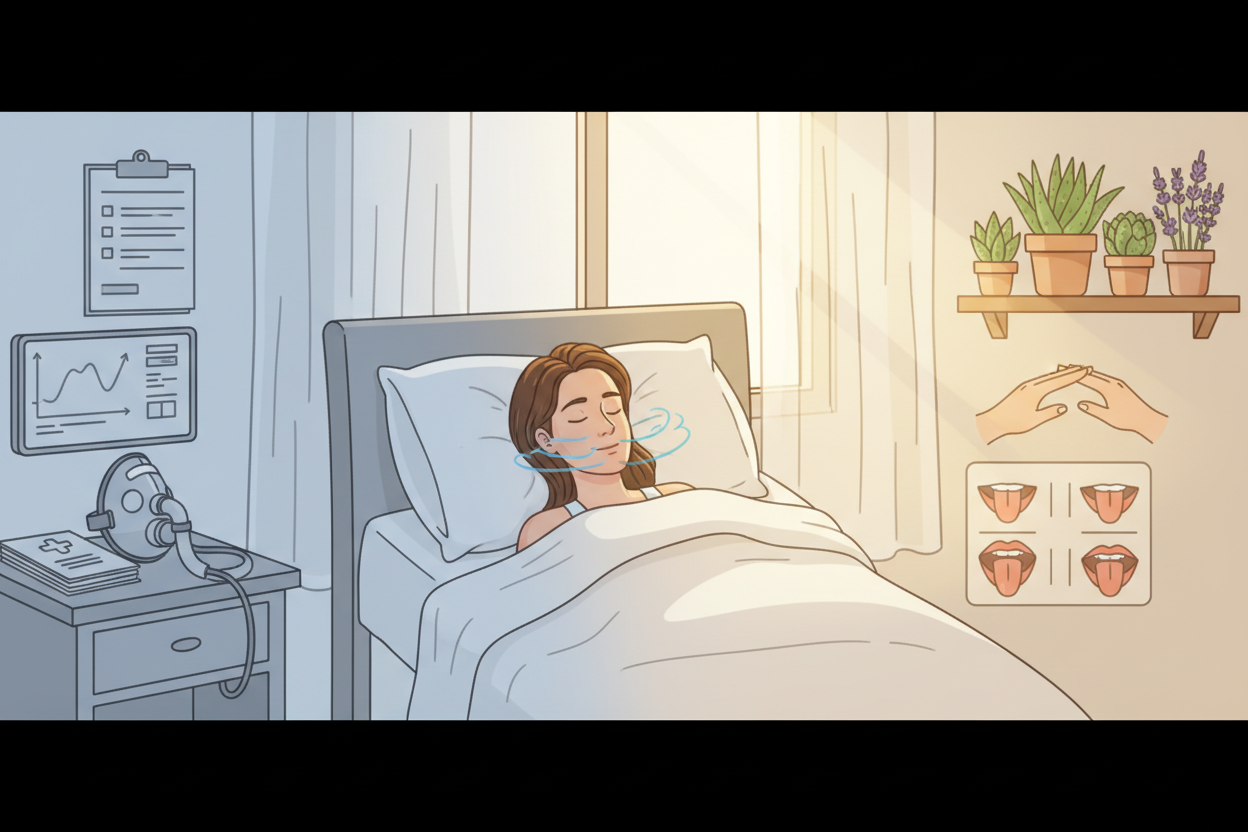
Sleep apnea affects millions of people worldwide, yet many don’t fully understand what’s happening in their bodies during those restless nights. This condition occurs when your airway becomes partially or completely blocked during sleep, causing breathing to stop and start repeatedly throughout the night.
The most common type, obstructive sleep apnea (OSA), happens when the muscles in your throat relax too much during sleep. Your tongue may fall backward, your soft palate might collapse, or your throat tissues could become too relaxed to maintain an open airway. The result? Your brain repeatedly wakes you up to restore normal breathing, even though you might not remember these wake-ups in the morning.
Traditional treatments have focused on mechanical solutions – keeping the airway open with air pressure (CPAP) or holding the jaw forward with oral appliances. While these approaches can be effective, they don’t address the underlying muscle weakness and dysfunction that often contributes to the problem in the first place.
What Is Myofunctional Therapy?
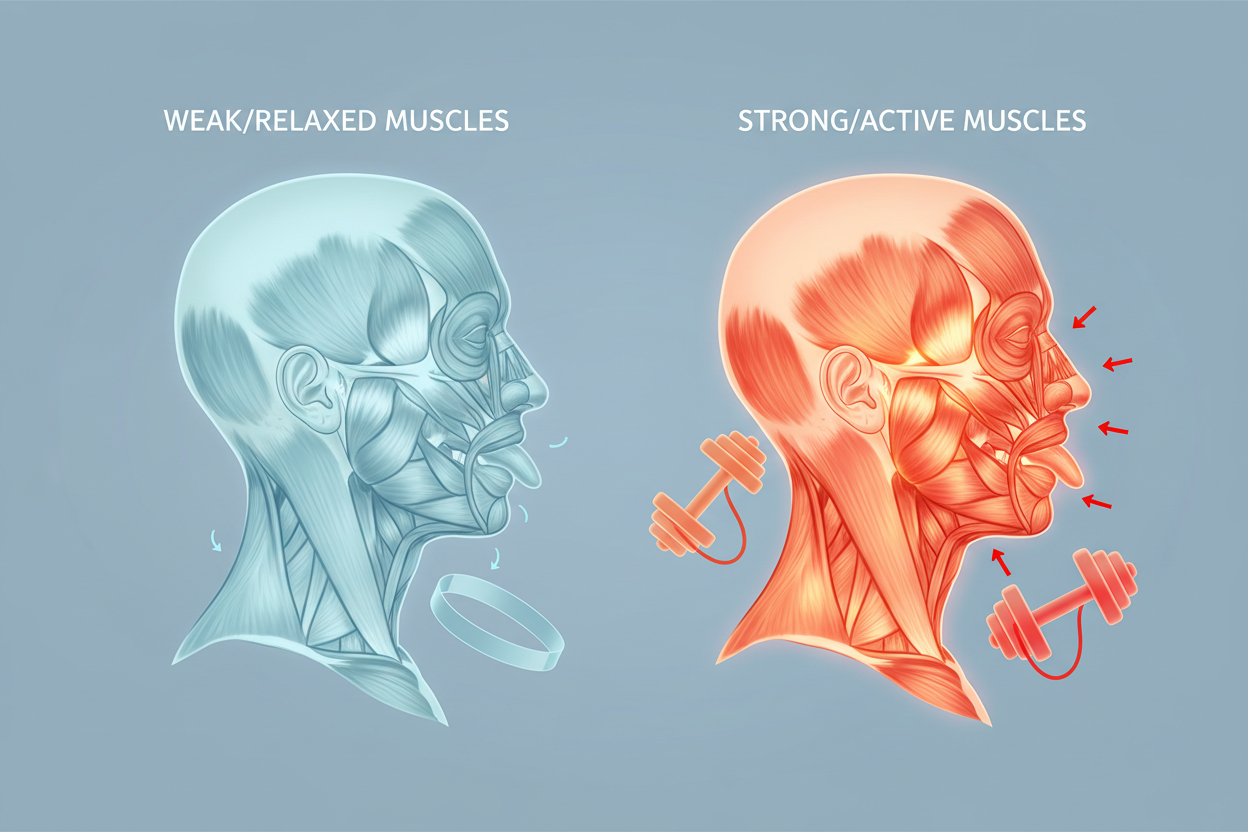
Myofunctional therapy is a specialized exercise program designed to strengthen and retrain the muscles of the face, mouth, tongue, and throat. Think of it as physical therapy for your breathing and swallowing muscles. Just as you might work with a physical therapist to strengthen a weak knee or shoulder, myofunctional therapy targets the specific muscle groups that control your airway function.
This therapeutic approach has been used for decades to treat various oral and facial muscle disorders, but its application to sleep apnea represents a revolutionary shift in thinking. Rather than simply managing symptoms, myofunctional therapy aims to address one of the root causes of sleep-disordered breathing: weak or improperly functioning airway muscles.
A trained myofunctional therapist will assess your specific muscle patterns, breathing habits, and oral posture to create a customized exercise program. These exercises might seem simple at first glance, but they’re precisely designed to target the muscles that play crucial roles in maintaining an open airway during sleep.
The Science Behind Myofunctional Therapy for Sleep Apnea
The connection between muscle function and sleep apnea isn’t just theoretical – it’s supported by growing scientific evidence. Research has shown that people with sleep apnea often have weaker tongue muscles, altered swallowing patterns, and poor oral posture compared to those without the condition.
A landmark study published in the journal Sleep Medicine found that participants who completed a three-month myofunctional therapy program experienced a significant reduction in their apnea-hypopnea index (AHI) – the standard measure of sleep apnea severity. Even more impressive, these improvements were maintained at follow-up assessments months later.
The therapy works by targeting several key areas. First, it strengthens the muscles of the tongue, which plays a crucial role in maintaining airway patency during sleep. When your tongue muscles are stronger and better coordinated, they’re less likely to collapse backward and block your airway.
Second, myofunctional therapy addresses breathing patterns and nasal function. Many people with sleep apnea are mouth breathers, which can contribute to muscle weakness and airway instability. By retraining proper nasal breathing and improving overall respiratory muscle coordination, the therapy creates a more stable foundation for healthy sleep breathing.
Key Benefits of Myofunctional Therapy
The advantages of myofunctional therapy extend far beyond just improving sleep apnea symptoms. Patients often report a range of benefits that improve their overall quality of life in unexpected ways.
One of the most immediate benefits many people notice is improved daytime energy and alertness. As your sleep quality improves through better airway function, you’ll likely find yourself feeling more refreshed in the morning and more focused throughout the day. This isn’t just about getting more sleep – it’s about getting better quality sleep.
Many patients also experience reduced snoring, which can be a game-changer for relationships. Partners often report sleeping better when the loud, disruptive snoring decreases or disappears entirely. This improvement in household sleep quality can strengthen relationships and reduce the stress that often comes with sleep-related conflicts.
From a health perspective, myofunctional therapy offers a non-invasive alternative or complement to other treatments. Unlike surgical interventions, there are no risks of complications, and unlike CPAP machines, there are no ongoing equipment costs or maintenance requirements. Once you learn the exercises, you have a tool you can use for life.
Additionally, many people find improvements in their overall oral health and facial muscle tone. Better muscle coordination can lead to improved swallowing function, reduced teeth grinding, and even subtle improvements in facial appearance as muscles become more toned and properly positioned.
What to Expect During Myofunctional Therapy
Starting myofunctional therapy typically begins with a comprehensive assessment by a qualified therapist. This evaluation goes beyond just looking at your mouth – it examines your entire breathing and swallowing system to identify specific areas of dysfunction.
During your initial appointment, the therapist will assess your tongue posture, swallowing patterns, breathing habits, and overall oral muscle function. They might use various tools and techniques to measure muscle strength and coordination, and they’ll likely ask detailed questions about your sleep symptoms, medical history, and lifestyle factors.
Based on this assessment, your therapist will create a personalized exercise program tailored to your specific needs. The exercises themselves might include tongue strengthening activities, breathing coordination drills, swallowing retraining, and posture correction techniques.
A typical program involves daily exercises that take about 15-20 minutes to complete. Most people see initial improvements within a few weeks, with more significant changes becoming apparent after two to three months of consistent practice. The key to success is consistency – these exercises need to become part of your daily routine, much like brushing your teeth.
Your therapist will schedule regular follow-up appointments to monitor your progress, adjust your exercise program as needed, and ensure you’re performing the techniques correctly. They’ll also provide guidance on how to integrate proper breathing and muscle habits into your daily life beyond just the formal exercise sessions.
Success Stories and Real-World Results
The real power of myofunctional therapy becomes clear when you hear from people whose lives have been transformed by this approach. Take Sarah, a 45-year-old teacher who had struggled with severe sleep apnea for years. Despite trying multiple CPAP machines and oral appliances, she continued to wake up exhausted and experienced frequent headaches.
After six months of consistent myofunctional therapy, Sarah’s sleep study results showed a 60% reduction in her apnea events. More importantly to her, she was waking up feeling refreshed for the first time in years, and her husband reported that her snoring had virtually disappeared. She continues to do her exercises daily and maintains these improvements years later.
Another success story comes from Mark, a 38-year-old executive who was initially skeptical about the “simple exercises” his sleep doctor recommended. As someone who preferred high-tech solutions, the idea of tongue exercises seemed almost too basic to work. However, after struggling with CPAP intolerance and facing the prospect of surgery, he decided to give myofunctional therapy a try.
Within three months, Mark’s sleep apnea severity had decreased from moderate to mild, and he was able to discontinue his CPAP machine entirely. He credits the therapy not just with improving his sleep, but with giving him better focus and energy for his demanding career.
Integrating Myofunctional Therapy with Other Treatments
One of the most appealing aspects of myofunctional therapy is its compatibility with other sleep apnea treatments. Rather than replacing existing therapies entirely, it can often enhance their effectiveness or reduce the need for more intensive interventions.
For people using CPAP machines, myofunctional therapy can help reduce the pressure settings needed for effective treatment. Stronger airway muscles mean less collapse occurs, so lower pressures may be sufficient to maintain an open airway. This can make CPAP therapy more comfortable and improve compliance rates.
Those using oral appliances may find that myofunctional therapy allows them to use less aggressive jaw positioning, reducing potential side effects like jaw pain or tooth movement. Some patients are eventually able to discontinue their oral appliance entirely as their muscle function improves.
Even for people considering surgical options, myofunctional therapy can be valuable. It may reduce the extent of surgery needed or improve surgical outcomes by optimizing muscle function both before and after the procedure. Some patients find that therapy alone provides sufficient improvement to avoid surgery altogether.
Finding the Right Myofunctional Therapist
The success of myofunctional therapy largely depends on working with a qualified, experienced therapist who understands the complexities of sleep-disordered breathing. Not all myofunctional therapists specialize in sleep apnea, so it’s important to find someone with specific training and experience in this area.
Look for therapists who are certified by recognized organizations and have additional training in sleep-related breathing disorders. Many qualified therapists work closely with sleep physicians, dentists, and other healthcare providers as part of a comprehensive treatment team.
During your search, don’t hesitate to ask potential therapists about their experience with sleep apnea cases, their success rates, and their approach to treatment. A good therapist will be happy to discuss their methods and provide references or testimonials from previous patients.
It’s also worth considering the therapist’s location and availability, as you’ll need to attend regular appointments over several months. Some therapists now offer telehealth options for certain aspects of treatment, which can make the therapy more accessible for people in remote areas or with busy schedules.
The Future of Sleep Apnea Treatment
As our understanding of sleep apnea continues to evolve, myofunctional therapy represents a shift toward more holistic, root-cause approaches to treatment. Rather than simply managing symptoms with devices or procedures, this therapy addresses the underlying muscle dysfunction that contributes to the problem.
Ongoing research continues to refine our understanding of which patients benefit most from myofunctional therapy and how to optimize treatment protocols. Some studies are exploring the use of technology to enhance traditional exercises, while others are investigating the long-term effects of therapy on overall health outcomes.
The integration of myofunctional therapy into mainstream sleep medicine is still evolving, but the evidence base continues to grow stronger. As more healthcare providers become aware of this option and more patients experience its benefits, it’s likely to become an increasingly important part of comprehensive sleep apnea care.
For many people struggling with sleep apnea, myofunctional therapy offers something that traditional treatments cannot: the possibility of actually improving the underlying problem rather than just managing its symptoms. While it may not be the right solution for everyone, it represents a revolutionary approach that’s helping thousands of people breathe better, sleep better, and live better.
If you’re dealing with sleep apnea and haven’t found success with traditional treatments, or if you’re looking for a natural approach to complement your existing therapy, myofunctional therapy might be worth exploring. Talk to your sleep physician or seek out a qualified myofunctional therapist to learn more about whether this innovative treatment could be the key to finally getting the restorative sleep you deserve.
Take Control of Your Nighttime Breathing
Don’t let sleep apnea silently accelerate your lung disease. Discover the natural breathing protocol that thousands of respiratory patients are using to restore healthy sleep patterns and protect their lung function.
