

How to Naturally Fix Dangerous Nighttime Oxygen Drops Without Medication
Waking up gasping for air or feeling exhausted despite a full night’s sleep can be terrifying. If you’ve been experiencing nighttime oxygen drops, you’re not alone—millions of people worldwide struggle with nocturnal hypoxemia, a condition where blood oxygen levels fall dangerously low during sleep. While medical intervention is sometimes necessary, there are numerous natural approaches that can help stabilize your oxygen levels and improve your sleep quality without relying solely on medications.
Understanding why your oxygen levels drop at night is the first step toward finding effective solutions. During sleep, our breathing naturally slows down, and certain positions or underlying conditions can further restrict airflow. The good news? Many of these issues can be addressed through lifestyle modifications, breathing techniques, and environmental changes that work with your body’s natural processes.

Understanding Nighttime Oxygen Drops and Their Causes
Nighttime oxygen desaturation occurs when your blood oxygen levels fall below the normal range of 95-100% during sleep. This drop can happen gradually or suddenly, often without you even realizing it’s occurring. Your body might compensate by partially waking you up to restore normal breathing, leading to fragmented sleep and daytime fatigue.
Several factors contribute to nocturnal oxygen drops. Sleep apnea is perhaps the most well-known cause, where breathing repeatedly stops and starts during sleep. However, other culprits include sleeping position, nasal congestion, excess weight around the neck and chest area, and even certain medications that depress respiratory function.
Environmental factors play a significant role too. Poor air quality, high altitude, or sleeping in rooms with inadequate ventilation can all contribute to lower oxygen availability. Sometimes, the solution is as simple as opening a window or adjusting your bedroom setup.
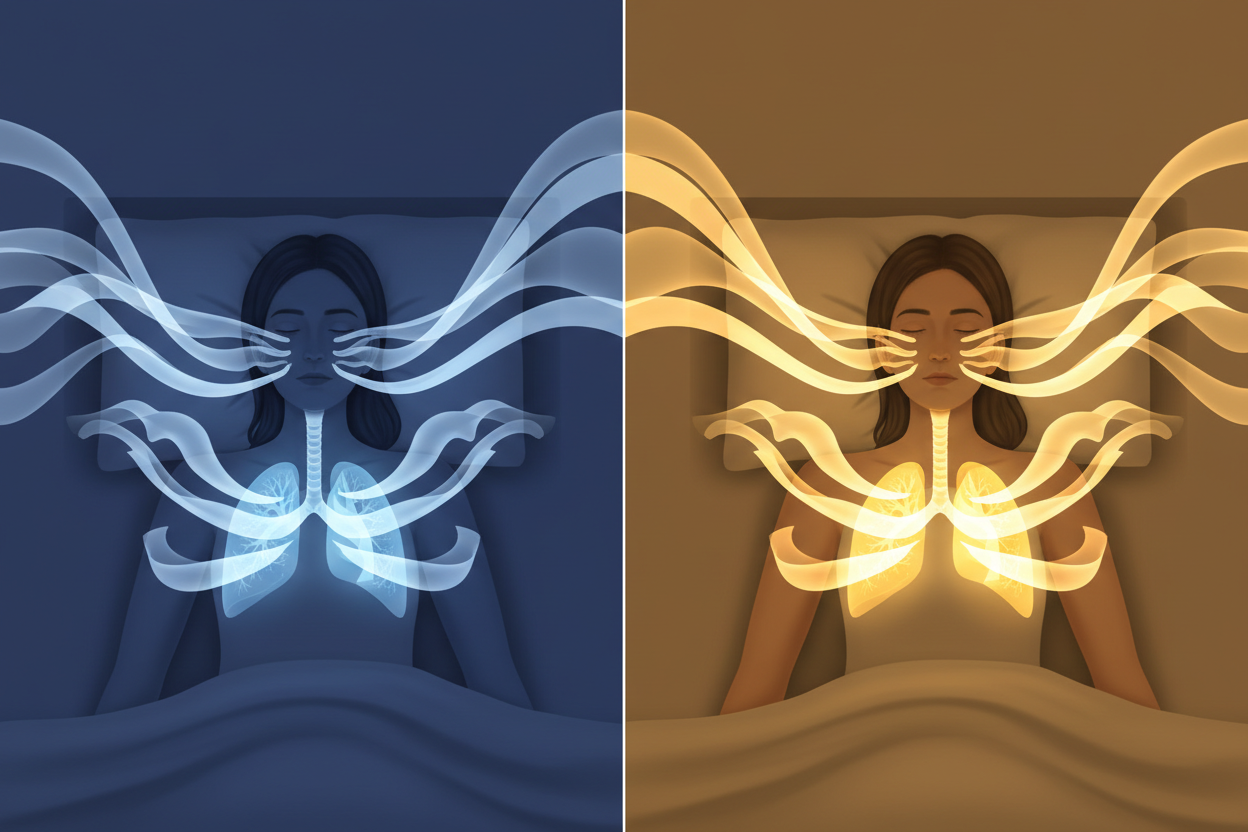
Natural Sleep Position Strategies for Better Oxygen Flow
Your sleeping position dramatically affects how well oxygen flows through your airways. Many people don’t realize that something as simple as changing how they sleep can make a profound difference in their nighttime oxygen levels.
Sleeping on your back often worsens oxygen drops because gravity causes your tongue and soft tissues to fall backward, partially blocking your airway. Instead, try sleeping on your side—preferably your left side, which also improves circulation and reduces pressure on your heart.
Elevating your head and upper body by 30 to 45 degrees can work wonders for maintaining open airways. You don’t need expensive adjustable beds; simply placing a foam wedge under your mattress or using an extra pillow can create the ideal angle. This position helps gravity work in your favor, keeping airways clear and reducing the likelihood of tissue collapse.
For those who struggle to maintain side sleeping, the “tennis ball technique” remains surprisingly effective. Sew a tennis ball into the back of your pajama top, making it uncomfortable to roll onto your back during sleep. While it might take a few nights to adjust, this method naturally trains your body to maintain better sleeping positions.
Breathing Exercises and Techniques for Improved Oxygen Intake
Strengthening your respiratory muscles and improving breathing patterns can significantly impact your nighttime oxygen levels. These techniques don’t require any equipment and can be practiced anywhere, making them accessible solutions for everyone.
Diaphragmatic breathing, also known as belly breathing, is foundational for better oxygenation. Place one hand on your chest and another on your belly. Breathe slowly through your nose, ensuring that your belly rises more than your chest. This technique engages your diaphragm more effectively, allowing for deeper, more efficient oxygen exchange.
The 4-7-8 breathing technique, popularized by Dr. Andrew Weil, can help relax your nervous system while improving oxygen flow. Inhale through your nose for 4 counts, hold your breath for 7 counts, then exhale through your mouth for 8 counts. Practice this technique before bedtime to prepare your respiratory system for more stable nighttime breathing.
Pursed lip breathing is particularly beneficial for those with mild respiratory issues. Breathe in through your nose for 2 counts, then exhale slowly through pursed lips for 4 counts. This technique helps keep your airways open longer and improves oxygen exchange efficiency.
Lifestyle Changes That Support Healthy Oxygen Levels
Your daily habits profoundly influence your nighttime oxygen levels. Making strategic lifestyle adjustments can create lasting improvements in your sleep quality and respiratory health.
Weight management plays a crucial role in preventing nighttime oxygen drops. Excess weight, particularly around the neck and chest area, can compress airways and make breathing more difficult during sleep. Even a modest weight loss of 10-15 pounds can lead to significant improvements in sleep-related breathing issues.
Regular cardiovascular exercise strengthens your heart and improves circulation, making your body more efficient at delivering oxygen to tissues. You don’t need intense workouts—a daily 30-minute walk, swimming, or cycling can make a substantial difference. The key is consistency rather than intensity.
Avoiding alcohol and sedatives, especially in the evening, is essential for maintaining stable oxygen levels. These substances relax the muscles in your throat and tongue, increasing the likelihood of airway obstruction during sleep. If you choose to drink alcohol, try to finish at least 3-4 hours before bedtime.
Staying properly hydrated throughout the day helps thin mucus secretions, making it easier to breathe clearly at night. However, balance is important—drinking too much liquid close to bedtime can disrupt sleep with frequent bathroom trips.
Creating an Optimal Sleep Environment for Better Oxygenation
Your bedroom environment significantly impacts your ability to maintain healthy oxygen levels throughout the night. Small changes to your sleep space can yield remarkable improvements in air quality and breathing ease.
Maintaining proper humidity levels between 40-60% helps keep your nasal passages and airways moist, reducing congestion and irritation. Dry air can cause nasal tissues to swell, restricting airflow. A quality humidifier can make breathing easier, especially during winter months when indoor air tends to be drier.
Temperature control is equally important. Keep your bedroom between 65-68 degrees Fahrenheit for optimal sleep and breathing. Rooms that are too warm can cause restless sleep and increased respiratory effort, while overly cold rooms can cause airways to constrict.
Air quality matters more than most people realize. Consider investing in a HEPA air purifier to remove allergens, dust, and other particles that can irritate your respiratory system. Additionally, introducing air-purifying plants like snake plants or peace lilies can naturally improve oxygen levels while adding a calming aesthetic to your bedroom.
Ensure adequate ventilation by keeping windows slightly open when weather permits, or using a fan to promote air circulation. Stagnant air can become depleted of oxygen over time, especially in smaller bedrooms.
Natural Remedies and Supplements for Respiratory Support
Several natural remedies can support respiratory health and potentially improve nighttime oxygenation. While these shouldn’t replace medical treatment when necessary, they can be valuable additions to your natural approach.
Essential oils like eucalyptus, peppermint, and tea tree oil have natural decongestant properties. Add a few drops to a diffuser in your bedroom or inhale steam from a bowl of hot water with these oils before bedtime. Always ensure proper ventilation and never apply undiluted essential oils directly to your skin.
Magnesium supplementation may help relax respiratory muscles and improve sleep quality. This mineral plays a crucial role in muscle function and can help reduce the frequency of nighttime breathing disruptions. Consult with a healthcare provider about appropriate dosing.
Omega-3 fatty acids, found in fish oil supplements or fatty fish, have anti-inflammatory properties that may help reduce airway inflammation. Regular consumption of omega-3s can support overall respiratory health and potentially improve breathing during sleep.
Herbal teas like chamomile, valerian root, or passionflower can promote relaxation and better sleep quality without the respiratory depression associated with pharmaceutical sleep aids. These natural options help you achieve deeper, more restful sleep while maintaining healthy breathing patterns.
When to Seek Professional Help
While natural approaches can be remarkably effective, it’s important to recognize when professional medical evaluation is necessary. Severe or persistent nighttime oxygen drops can indicate serious underlying conditions that require medical intervention.
Seek immediate medical attention if you experience severe shortness of breath, chest pain, or if your lips or fingernails appear blue or gray. These symptoms may indicate dangerous oxygen levels that require emergency treatment.
Consider consulting a sleep specialist if natural methods haven’t improved your symptoms after 4-6 weeks of consistent implementation. A sleep study can help identify specific patterns and underlying causes of your oxygen drops, allowing for more targeted treatment approaches.
Don’t hesitate to discuss your symptoms with your healthcare provider, especially if you have existing health conditions like heart disease, diabetes, or respiratory disorders. They can help you safely incorporate natural approaches alongside any necessary medical treatments.
Conclusion
Improving nighttime oxygen levels naturally is often achievable through a combination of lifestyle modifications, environmental changes, and consistent healthy practices. From adjusting your sleep position and practicing breathing exercises to creating an optimal bedroom environment, these natural approaches work with your body’s inherent healing capabilities.
Remember that sustainable improvement takes time and consistency. Start with one or two strategies that feel most manageable for your lifestyle, then gradually incorporate additional techniques as they become habitual. Many people notice improvements within the first few weeks, but lasting change often requires several months of consistent practice.
The journey to better nighttime oxygenation is deeply personal, and what works best for you may differ from others’ experiences. Be patient with yourself as you explore these natural solutions, and don’t hesitate to seek professional guidance when needed. Your commitment to improving your sleep and respiratory health through natural means is an investment in your overall well-being that will pay dividends for years to come.
Take Control of Your Nighttime Breathing
Don’t let sleep apnea silently accelerate your lung disease. Discover the natural breathing protocol that thousands of respiratory patients are using to restore healthy sleep patterns and protect their lung function.
