

Master Pursed Lip Breathing: A Simple Technique for Sleep Apnea Relief
If you’ve been struggling with sleep apnea, you know how exhausting it can be to wake up feeling like you never truly rested. The constant interruptions to your breathing during sleep can leave you groggy, irritable, and searching for solutions that actually work. While CPAP machines and other medical treatments remain the gold standard for sleep apnea management, there’s a surprisingly simple breathing technique that many people overlook: pursed lip breathing.
This gentle, accessible method has been helping people improve their breathing patterns for decades, and emerging research suggests it might offer real benefits for those dealing with sleep apnea. The best part? You can learn it in just a few minutes and practice it anywhere, anytime. Let’s dive into how this simple technique could become a valuable addition to your sleep apnea management toolkit.
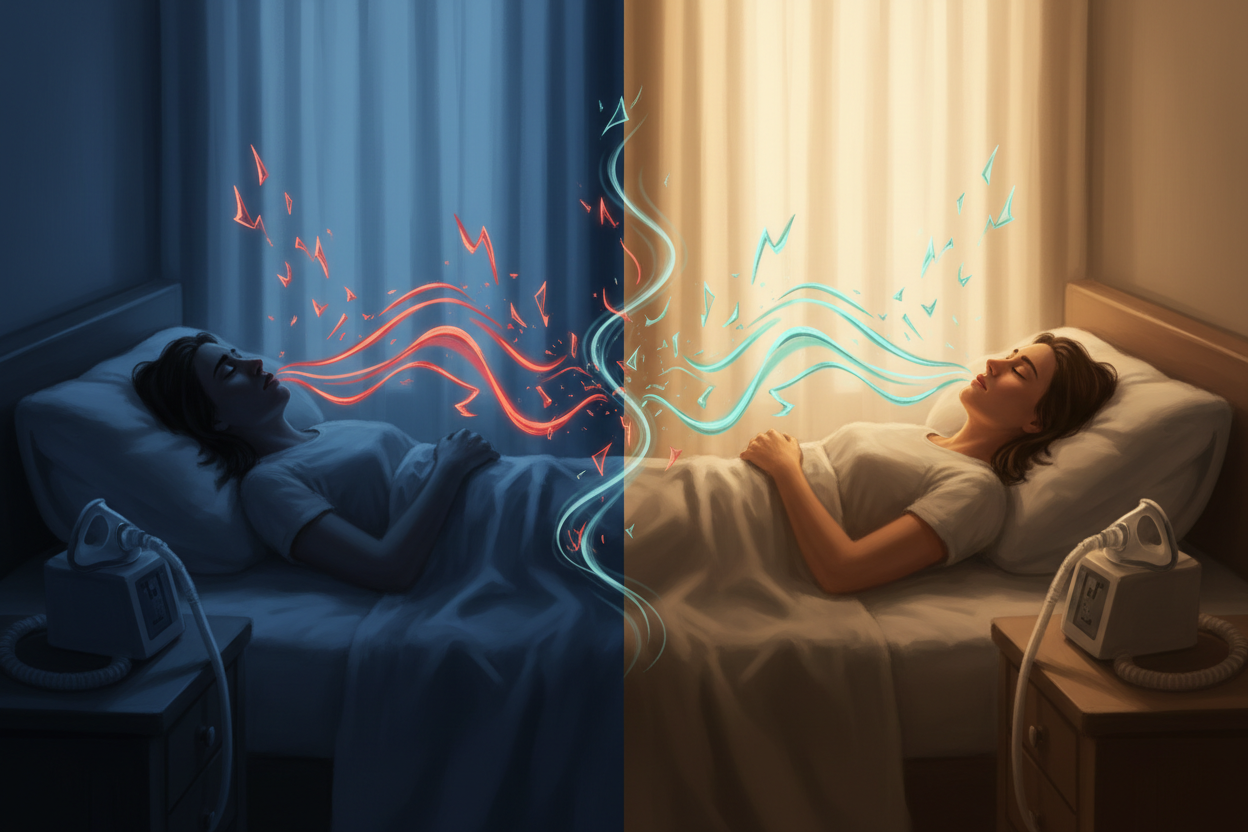
Understanding Sleep Apnea and Its Impact on Your Life
Sleep apnea affects millions of people worldwide, yet many don’t fully understand what’s happening in their bodies during those restless nights. Essentially, sleep apnea causes your breathing to repeatedly stop and start throughout the night. These interruptions, called apneas, can last anywhere from a few seconds to over a minute, and they can occur dozens or even hundreds of times per night.
The most common type, obstructive sleep apnea, happens when the muscles in your throat relax too much during sleep, causing your airway to narrow or close completely. Your brain, sensing the drop in oxygen levels, jolts you awake just enough to restart breathing. This cycle repeats throughout the night, preventing you from reaching the deep, restorative sleep stages your body desperately needs.

The consequences extend far beyond feeling tired the next day. Untreated sleep apnea has been linked to high blood pressure, heart disease, diabetes, and even depression. It can strain relationships when loud snoring keeps partners awake, and it significantly increases the risk of accidents due to daytime fatigue.
What Is Pursed Lip Breathing and How Does It Work?
Pursed lip breathing is exactly what it sounds like – a breathing technique where you inhale through your nose and exhale slowly through pursed lips, as if you’re gently blowing out a candle. This controlled breathing method was originally developed to help people with chronic obstructive pulmonary disease (COPD), but its benefits extend to various respiratory conditions, including sleep apnea.
The technique works by creating a small amount of back-pressure in your airways during exhalation. This gentle pressure helps keep your airways open longer, allowing for more complete emptying of the lungs and better gas exchange. Think of it like putting your finger partially over the end of a garden hose – the water comes out in a more controlled, focused stream rather than a chaotic spray.
When you practice pursed lip breathing regularly, you’re essentially training your respiratory muscles to work more efficiently. This can lead to improved oxygen levels in your blood, reduced work of breathing, and better overall respiratory function – all factors that can positively impact sleep apnea symptoms.
The Science Behind Pursed Lip Breathing for Sleep Apnea
While research specifically on pursed lip breathing for sleep apnea is still emerging, the physiological mechanisms make a compelling case for its potential benefits. Studies have shown that controlled breathing techniques can influence the autonomic nervous system, which controls many involuntary functions including breathing during sleep.
One key benefit is the technique’s ability to activate the parasympathetic nervous system – your body’s “rest and digest” mode. This activation can help reduce overall stress and anxiety, which are known to worsen sleep apnea symptoms. When you’re more relaxed, your throat muscles are less likely to collapse during sleep, potentially reducing the frequency and severity of apnea episodes.
Additionally, pursed lip breathing helps retrain your breathing pattern from shallow, rapid breaths to deeper, slower ones. This shift can improve the efficiency of oxygen exchange in your lungs and may help stabilize your breathing rhythm, which could carry over into sleep. Some researchers theorize that people who practice controlled breathing techniques during the day may maintain more stable breathing patterns at night.
The technique also strengthens the diaphragm and other respiratory muscles. Stronger breathing muscles can better maintain airway patency during sleep, potentially reducing the collapse that characterizes obstructive sleep apnea.
Step-by-Step Guide to Mastering Pursed Lip Breathing
Learning pursed lip breathing is refreshingly straightforward, but like any skill, it improves with practice. Here’s how to get started:
Begin by finding a comfortable position, either sitting upright in a chair with your feet flat on the floor or lying down with your head slightly elevated. Place one hand on your chest and the other on your abdomen to help you focus on your breathing pattern.
Start by inhaling slowly and deeply through your nose for a count of two. You should feel your abdomen rise more than your chest – this indicates you’re breathing deeply into your diaphragm rather than taking shallow chest breaths. Keep your mouth closed during this phase and try to fill your lungs completely but comfortably.
Next, purse your lips as if you’re about to whistle or blow out a candle. The opening between your lips should be small – about the size you’d make if you were drinking through a straw. Now exhale slowly and steadily through your pursed lips for a count of four. The exhalation should take twice as long as the inhalation, creating that gentle back-pressure we discussed earlier.
Repeat this cycle for several minutes, maintaining the 2:4 ratio of inhalation to exhalation. If counting feels distracting, you can simply focus on making your exhalation longer than your inhalation. The key is to keep the breathing controlled and relaxed – never force it or hold your breath.
When and How Often to Practice Pursed Lip Breathing
The beauty of pursed lip breathing lies in its flexibility. You can practice it virtually anywhere and at any time, making it an incredibly practical tool for managing sleep apnea symptoms. However, timing and consistency are crucial for maximizing its benefits.
For sleep apnea relief, consider incorporating pursed lip breathing into your bedtime routine. Practice for 5-10 minutes before getting into bed, as this can help activate your parasympathetic nervous system and prepare your body for sleep. The relaxation response triggered by controlled breathing can help reduce the stress and anxiety that often worsen sleep apnea symptoms.
Morning practice is equally valuable. Many people with sleep apnea wake up feeling short of breath or anxious due to poor sleep quality. Starting your day with a few minutes of pursed lip breathing can help stabilize your breathing pattern and reduce morning anxiety.
Throughout the day, use pursed lip breathing whenever you feel stressed, anxious, or short of breath. These are all conditions that can exacerbate sleep apnea symptoms later that night. Some people find it helpful to practice during their lunch break or commute, using the technique as a form of moving meditation.
Consistency matters more than duration. It’s better to practice for five minutes daily than to do a 30-minute session once a week. Aim for at least two to three practice sessions per day, gradually increasing the duration as the technique becomes more natural.
Combining Pursed Lip Breathing with Other Sleep Apnea Treatments
While pursed lip breathing can be a valuable addition to your sleep apnea management strategy, it’s important to view it as a complementary technique rather than a replacement for proven medical treatments. If you’re currently using a CPAP machine, oral appliance, or other prescribed therapy, continue with these treatments while incorporating breathing exercises.
Many people find that pursed lip breathing actually enhances their tolerance of CPAP therapy. The relaxation and breathing awareness developed through regular practice can make it easier to adjust to wearing a CPAP mask and can reduce the anxiety some people experience with the machine.
Lifestyle modifications work synergistically with pursed lip breathing. Weight management, regular exercise, avoiding alcohol before bedtime, and sleeping on your side all complement the benefits of controlled breathing techniques. The stress reduction achieved through breathing exercises can also make it easier to stick with other healthy habits.
Consider working with a respiratory therapist or sleep specialist who can help you integrate pursed lip breathing into your overall treatment plan. They can provide personalized guidance on technique refinement and help you track improvements in your symptoms over time.
Common Mistakes to Avoid and Troubleshooting Tips
Even though pursed lip breathing is simple, there are several common mistakes that can reduce its effectiveness. Being aware of these pitfalls can help you get the most benefit from your practice.
One of the most frequent errors is breathing too quickly or forcing the breath. Remember, this technique is about control and relaxation, not intensity. If you find yourself getting lightheaded or feeling anxious during practice, slow down your breathing rate and make sure you’re not holding your breath between inhalation and exhalation.
Another common mistake is pursing the lips too tightly, creating excessive back-pressure that makes breathing feel labored. Your lips should be gently pursed, creating just enough resistance to slow the exhalation without causing strain. If your face muscles feel tense, you’re probably overdoing it.
Some people focus so intensely on the lip position that they forget about the deeper aspects of breathing. Remember to engage your diaphragm and breathe into your abdomen rather than just your chest. If you’re having trouble with this, try placing a light book on your abdomen and focus on making it rise and fall with your breathing.
Inconsistency is perhaps the biggest obstacle to success. Like any therapeutic technique, pursed lip breathing requires regular practice to show benefits. Set reminders on your phone or link the practice to existing habits, like having your morning coffee or brushing your teeth before bed.
Real-World Success Stories and What to Expect
While individual results vary, many people who incorporate pursed lip breathing into their sleep apnea management routine report noticeable improvements in their overall well-being. Sarah, a 45-year-old teacher from Colorado, started practicing pursed lip breathing after her sleep study revealed moderate sleep apnea. While she still uses her CPAP machine nightly, she credits the breathing technique with helping her feel less anxious about her condition and more in control of her symptoms.
Mark, a 52-year-old construction worker, found that practicing pursed lip breathing during his lunch breaks helped him feel more energetic in the afternoons – a time when his sleep apnea-related fatigue typically peaked. Though he emphasizes that the technique isn’t a cure, he describes it as an important part of his “sleep health toolkit.”
It’s important to set realistic expectations. Most people don’t notice dramatic changes overnight, but rather experience gradual improvements over weeks or months of consistent practice. You might first notice that you feel more relaxed during the day, or that you’re better able to manage stress. Some people report falling asleep more easily after incorporating bedtime breathing exercises.
Keep a simple log of your practice sessions and any changes you notice in your sleep quality, energy levels, or overall well-being. This can help you stay motivated and provide valuable information to share with your healthcare provider.
Taking Control of Your Sleep Apnea Journey
Living with sleep apnea can feel overwhelming, especially when you’re dealing with the daily fatigue and health concerns that come with the condition. However, techniques like pursed lip breathing offer a sense of empowerment – something you can actively do to support your health and well-being.
While this simple breathing technique isn’t a magic cure for sleep apnea, it represents an accessible, side-effect-free tool that can complement your existing treatment plan. The act of taking a few minutes each day to focus on your breathing can provide both physical and psychological benefits, helping you feel more connected to your body and more in control of your health.
Remember that managing sleep apnea effectively often requires a multi-faceted approach. Pursed lip breathing works best when combined with appropriate medical treatment, healthy lifestyle choices, and regular communication with your healthcare team. As you begin incorporating this technique into your daily routine, be patient with yourself and celebrate small improvements along the way.
Your journey with sleep apnea is unique, and finding the right combination of treatments and techniques may take time. But by adding pursed lip breathing to your toolkit, you’re taking a proactive step toward better sleep, improved breathing, and enhanced quality of life. Sweet dreams are within reach – one breath at a time.
Take Control of Your Nighttime Breathing
Don’t let sleep apnea silently accelerate your lung disease. Discover the natural breathing protocol that thousands of respiratory patients are using to restore healthy sleep patterns and protect their lung function.
